Access is the real line item on Henderson County properties
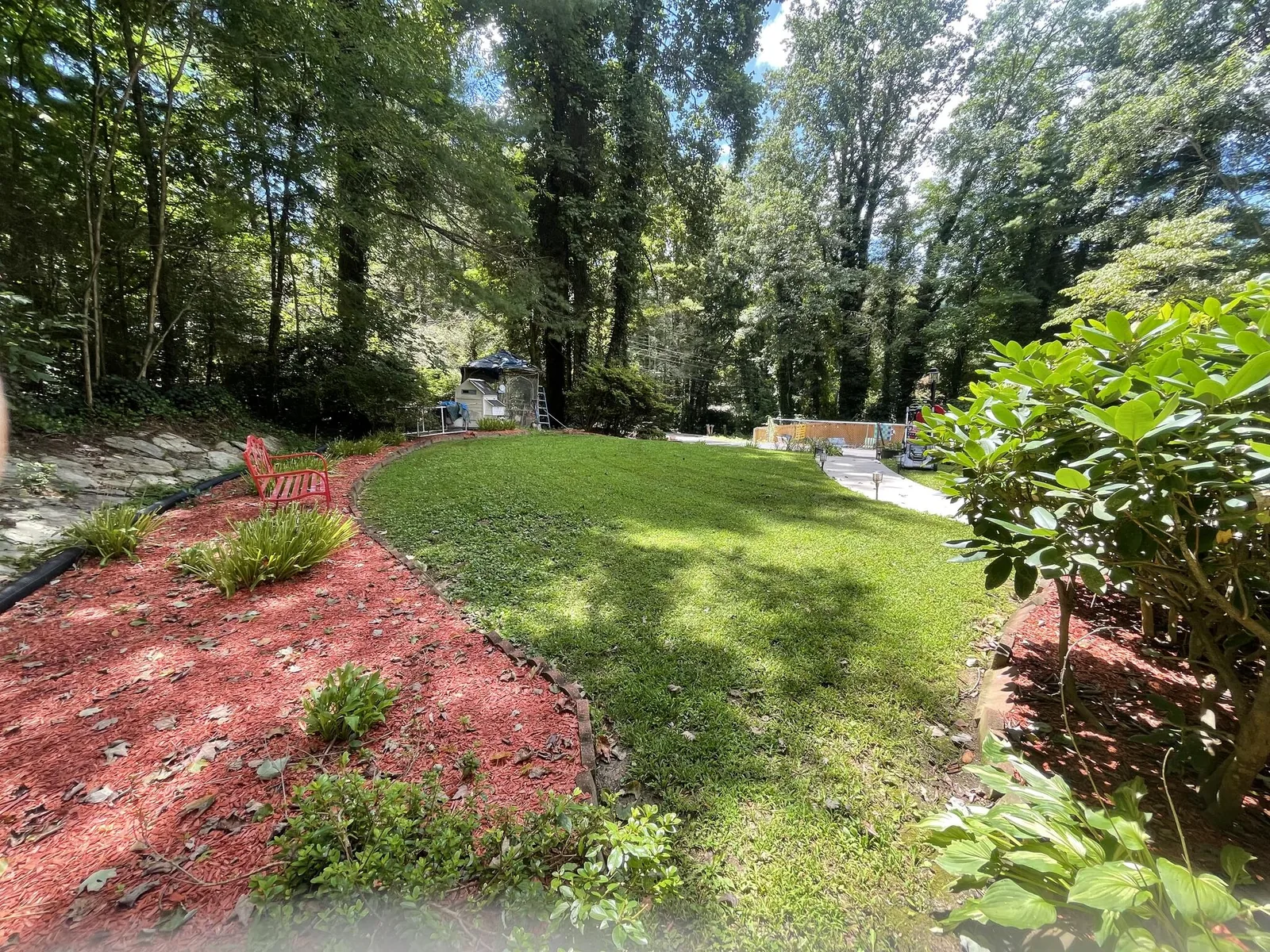
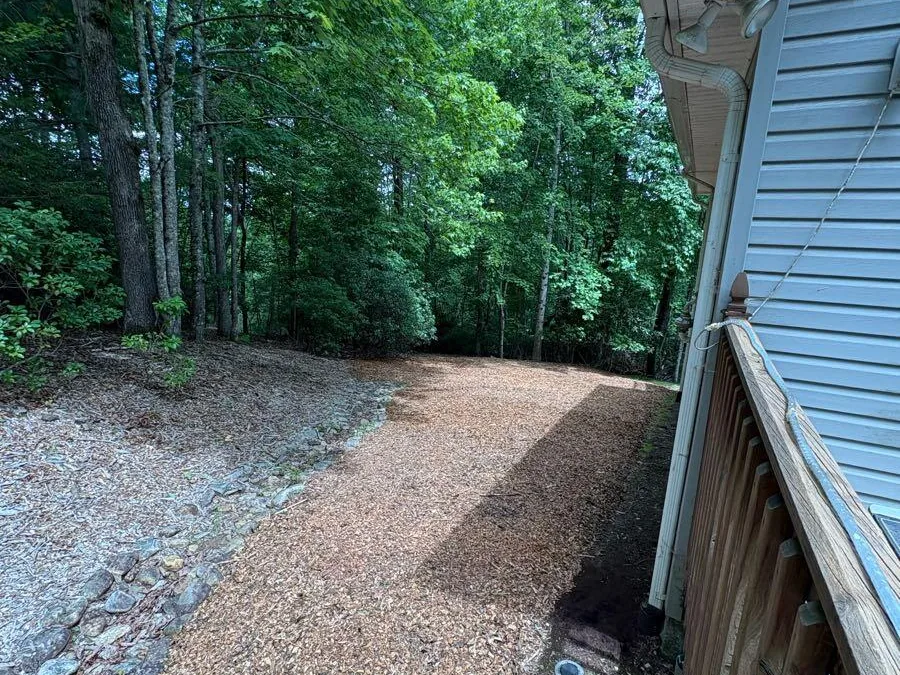
Drive the back roads from Hendersonville out toward Flat Rock, Mills River and Edneyville and the pattern is obvious: mature hardwoods, narrow gravel drives, and houses whose side yards disappear into rhododendron. That landscape is why junk removal quotes in this county swing so widely. Two loads of identical weight can price $150 apart, because one came out of a carport on a paved driveway and the other had to be handed up a slope in pieces.
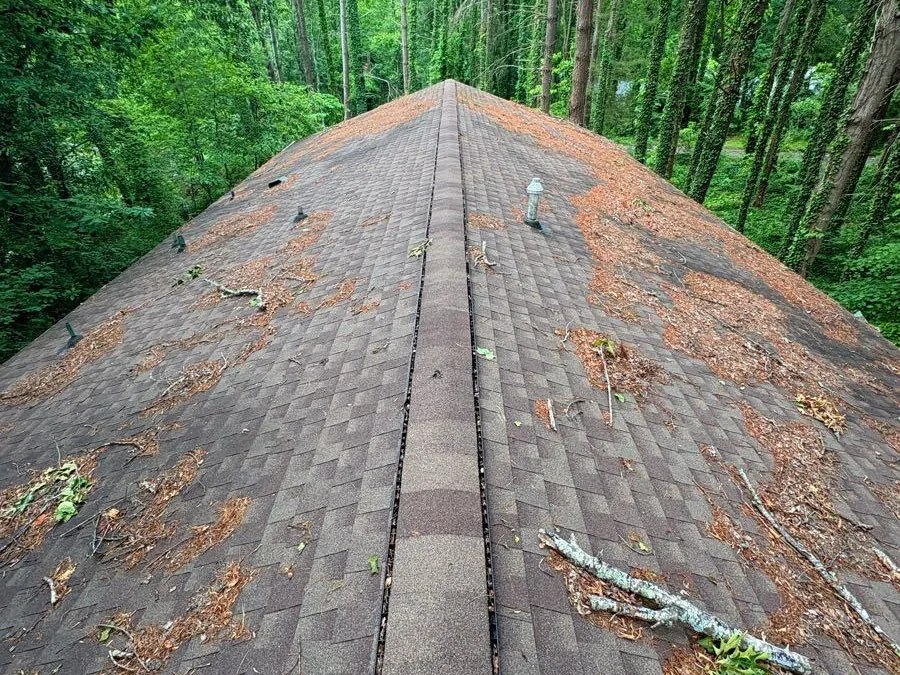
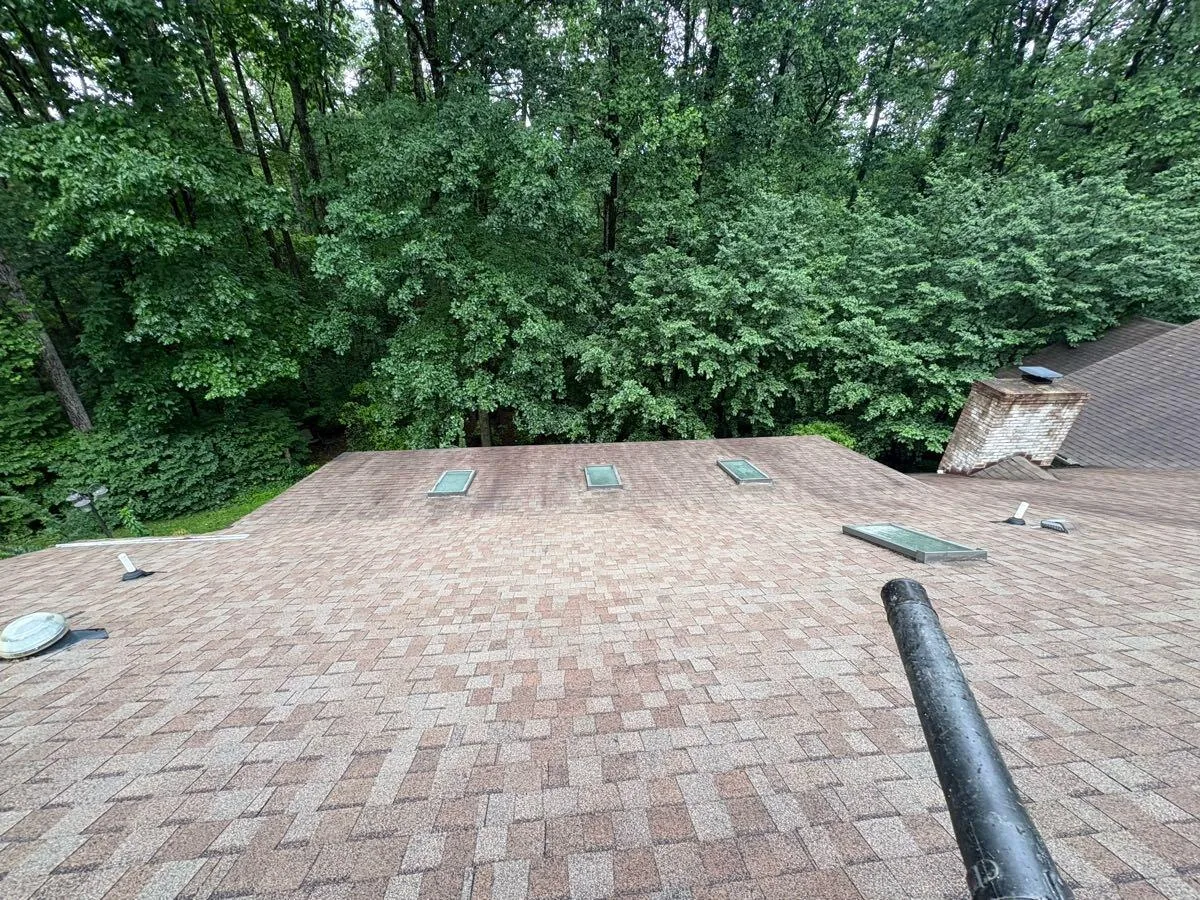
Roof pitch matters less for hauling than for what you are hauling — but decks, sheds and attic spaces in Henderson County's older housing stock tend to be built tight because the terrain forced it. A crew that has worked here knows to ask about the side door, the stair width, and whether the truck can get within hose-length of the pile. Those three questions decide most of the price before anyone touches a couch. When you are also clearing the yard, the junk removal service overview explains how curbside, garage and whole-property jobs differ in labor.
The ladder question is the one homeowners rarely anticipate. On a steep-roofed bungalow in the Druid Hills area or a farmhouse outside Fletcher, the only route to an attic or a second-floor bedroom may be a pull-down stair in a hallway barely wide enough for a twin mattress. Getting a dresser down that stair means cornering it, sometimes removing a door, and occasionally passing it out a window to a helper on a ladder because the interior turn simply will not clear. That is real time, and time is what you are paying for. A flat-lot ranch off Howard Gap Road with a wide front door prices at the low end for the exact same furniture that runs high out of a hillside house with a switchback gravel drive.
Tree cover compounds it. Overhanging limbs block a truck from backing close to a shed, so every box gets walked to the street by hand, down a dewy slope, past the rhododendron. In spring pollen and in fall wet leaves make that slope slick, which slows a careful crew further. None of this shows up in a phone photo of the pile, which is why an honest local hauler asks for the driveway, not just the debris.
What Henderson County loads actually cost
These are working ranges, not quotes. Volume, weight and carry distance move every number, and the site-wide band holds: junk removal and property cleanouts land between $175 and $450 a load here, same as everywhere in the region. What changes by town is how much of that band a job uses.
| Scope of work | Typical range | What drives it |
|---|---|---|
| Single bulky item, curbside | $175 – $225 | weight, whether it needs two people |
| Pickup-truck load, garage or shed | $225 – $325 | volume, stair or slope carry |
| Full trailer load, furniture and appliances | $325 – $450 | weight, disassembly, door width |
| Estate or hoard-adjacent cleanout | $450 per load, multiple loads | sorting time, access, disposal fees |
A one-room sweep in a Hendersonville bungalow usually prices like the middle row. A hillside house in Saluda with a rotting deck and forty years of storage prices like the bottom two, stacked.
Consider two common calls. The first: a washer and dryer pulled from a single-story home near the East Flat Rock crossroads, sitting in the carport, two guys and a dolly, done in twenty minutes. That is bottom-band work. The second: a deceased parent's home outside Etowah with a full basement, a detached shop full of scrap lumber, and a sofa that has to come up a narrow interior stair because the exterior door was framed for the 1940s. That is a multi-load job where the carrying, not the landfill, sets the bill.
Garage and shed sweeps are the county's bread and butter. These lots accumulate lawn equipment, paint cans, old fencing and storm debris over decades, and a single pickup load usually covers the visible pile. Household goods that look like one load often compress to half a load once furniture is knocked down, which is why per-load pricing tends to favor the homeowner on uncertain volume.
Disposal rules and what cannot go in the truck
North Carolina treats some junk differently than the national hauling chains imply. Tires, paint, electronics, yard chemicals and appliances with refrigerant all carry handling requirements, and the state's environmental agency sets the disposal expectations contractors work under (NC Department of Environmental Quality). Refrigerant-bearing appliances fall under federal rules too (U.S. EPA), which is why a fridge or chest freezer sometimes costs more than its weight suggests.
Construction debris is its own category. If you are clearing a renovation, mixed material loads can be restricted at transfer stations, and a contractor who knows the county's disposal routes will price that honestly instead of quietly dumping it in a load of household goods. Household hazardous waste should not ride in a standard junk truck at all. If your pile is mostly brush and yard waste, that is a different service with a different price — see leaf removal cost for the green-waste side of the property.
Old paint is the classic Henderson County problem child. Basements and shops in homes built before the 1970s tend to hold partial cans of everything, and once the lids rust through, the contents are nobody's easy haul. Latex paint that has fully dried can sometimes go in a normal load, but liquids, solvents and anything with a warning label belong at a household hazardous waste collection event rather than in a junk truck. A hauler who knows this will tell you up front instead of discovering it at the scale.
Propane tanks, riding mower fuel tanks, and unemptied gas cans are the other frequent surprise. They cannot ride in a standard load while full or pressurized. If your shed sweep includes a push mower that still holds gas, expect the crew to ask about it before the truck rolls — small honesty here avoids a rejected load later.
Where the price gets set: labor, weight and timing
Three variables explain almost every quote in this county.
- Carry distance and stairs. A basement pull-out in a 1920s house near downtown Hendersonville can take twice as long as the same volume from a single-story ranch off US-64. Labor, not landfill fees, is the bigger cost here.
- Weight. Shingles, tile, books and soil are heavy; mattresses and cardboard are not. A load can look identical in the truck bed and price differently at the scale.
- Timing. Post-storm and end-of-lease weeks fill up fast, and crews charge for the tight schedule. Mountain weather makes outdoor work unpredictable, and the region's storm record bears that out: 16 federally declared disaster events have touched Henderson County across 1978-2026, most of them storm and flood family. After a heavy system moves through, brush, damaged furniture and waterlogged debris all get hauled at once, and availability narrows.
Licensing cuts in on larger jobs. In North Carolina, general contracting work crosses the state's licensing threshold once a job passes $40,000 (NC Department of Insurance), so a whole-property teardown-and-clear can pull in a licensed contractor rather than a hauling crew. Straight removal usually does not.
Season matters more than people expect here. Spring is the yard-debris crush as residents clear winter blowdown and overgrown beds. Late summer and early fall bring the college-turnover and lease-change rush. Winter is slower, and a hauler with open calendar space may work with you on a flexible pickup window in exchange for a lower price. Booking around those peaks is the simplest way to stay near the bottom of the band without cutting corners.
Getting an honest quote in Henderson County
Ask three questions before you book. First: is the price per load, per item, or per hour? Per-load pricing protects you when volume is uncertain; per-item pricing only makes sense for a single appliance or mattress. Second: does the quote include disposal fees, or are those billed after? Third: what happens if the pile is bigger than described? A fair contractor re-quotes on the spot, not after the truck is loaded.
Photos help, but they lie about one thing: distance. A picture of a pile in a garage tells a hauler nothing about whether the truck can reach the door or how far the walk is. The most useful thing you can send is a shot of the route — the drive, the gate, the slope, the stair — not just the junk.
If the pile is mostly yard waste, the better comparison is a lawn or leaf service, not a junk hauler. Our lawn care cost page covers the regular-maintenance side, and leaf removal cost covers the seasonal cleanup that often precedes a junk job on these wooded lots.
Finally, decide what you actually want gone before the crew arrives. A hauler paid by the load will take whatever is on the pile, and it is easy to send something to the landfill that a neighbor, a charity or a scrap buyer would have taken for free. Sorting first, even loosely, is the cheapest step in the whole job.