The walk-through, before a single number gets said
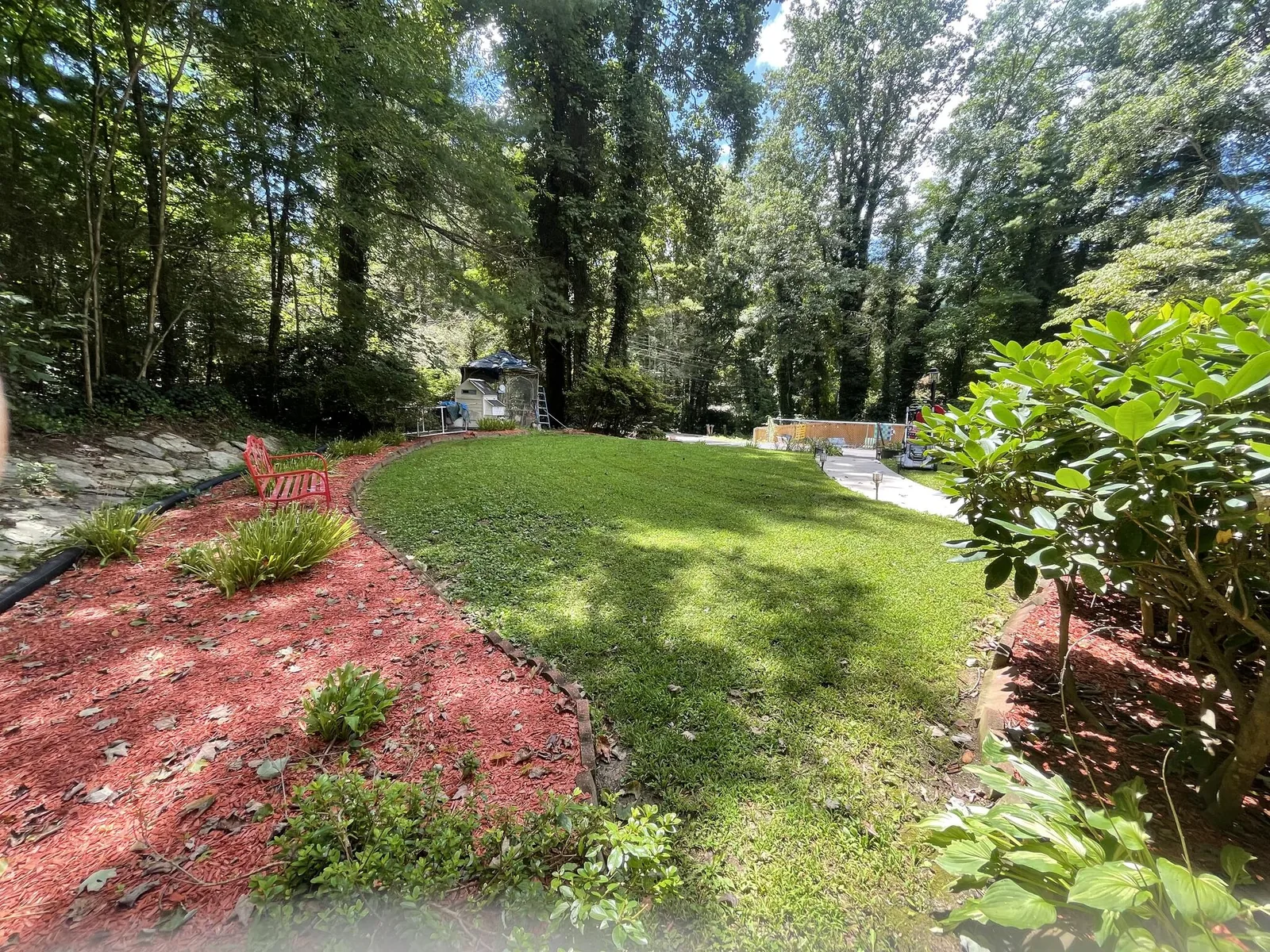
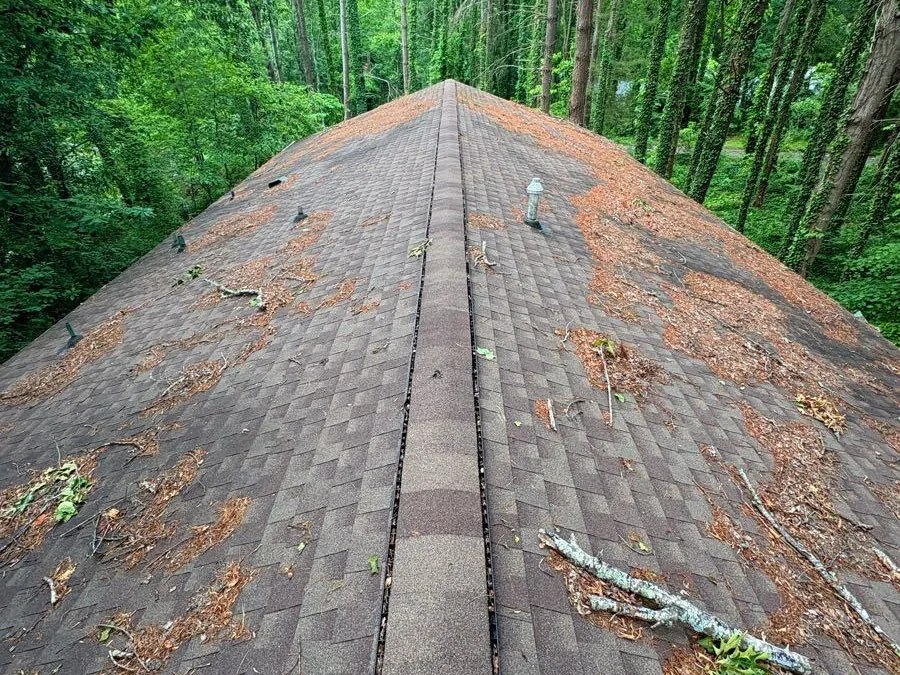
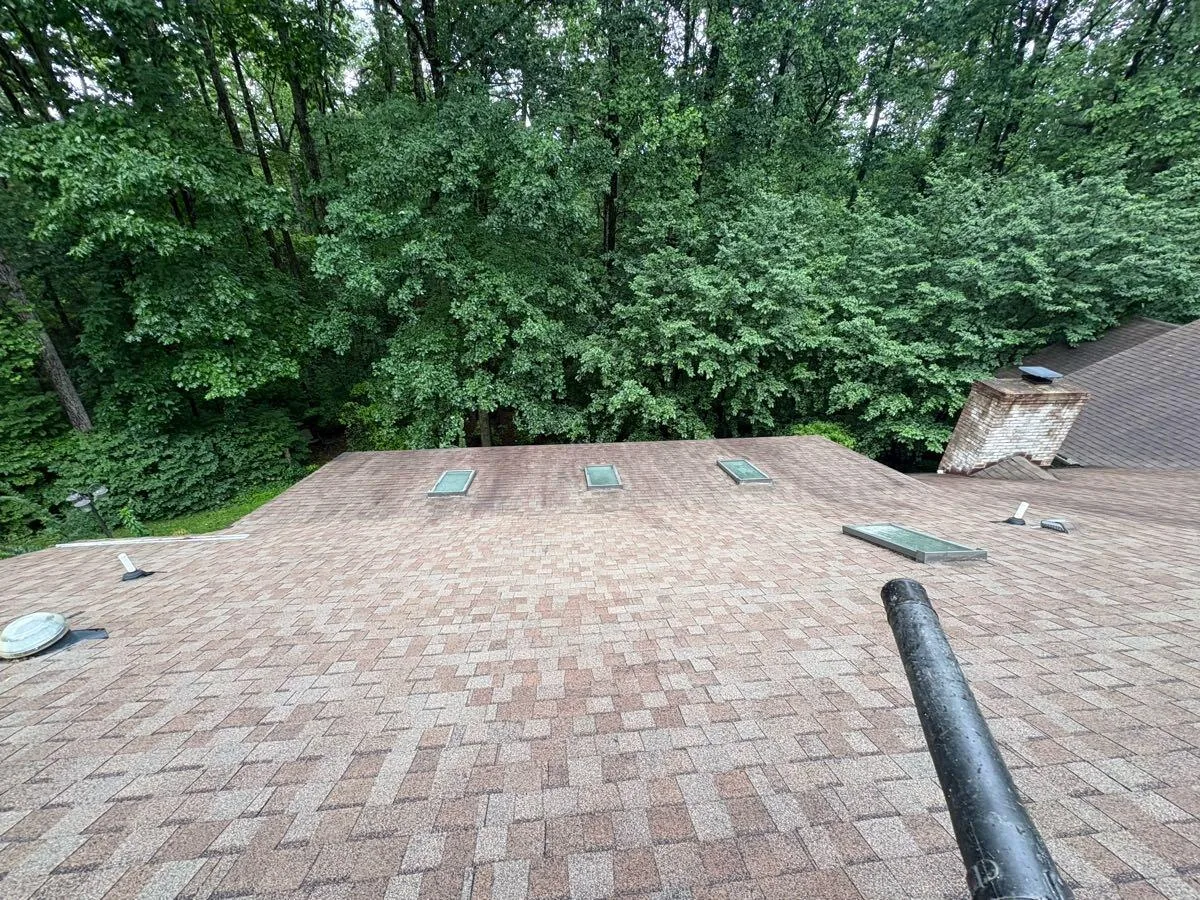
Most quotes in Henderson County go wrong because someone eyeballed the front yard from the driveway. Moises walks it. Around the house, down the side yard, along the property line, and out to whatever the previous owner let grow past the fence. On a half-acre in Flat Rock that walk takes ten minutes. On a wooded lot off Kanuga Road, where rhododendron and mountain laurel have fused into a wall against the siding, it takes longer — and that walk is the quote.
Four things get looked at. First, the species, because a boxwood wants a very different hand than the redtip photinia that half this county planted for privacy in the 1990s. Second, access: can a mower deck and a wheelbarrow reach the bed, or does everything travel by hand up a slope? Third, what's above and behind — power drops, gutters, a neighbor's fence the hedge has swallowed. Fourth, the cut line. If a shrub has been sheared flat for a decade and is now dead twig inside a green shell, restoring it means a hard renewal cut and a season of looking worse before it looks better. That's a real conversation, not an upsell.
Because Hendersonville sits in a transition zone — piedmont species below, true mountain flora above, and heavy clay under most of it — the same hedge two miles apart can behave differently. Terrain and soil decide the work. The walk decides the price.
For current official guidance, see the North Carolina State Board of Examiners of Plumbing, Heating & Fire Sprinkler Contractors. For current official guidance, see the North Carolina Building Code Council / NC Department of Insurance.
What the price actually covers
Trimming prices here are labor plus hauling, and hauling is the part people underestimate. Green waste is bulky and heavy, and a mature hedge removal fills a trailer fast. An honest quote says what happens to the debris — chipped on site, hauled to a county convenience site, or left in a pile for you. Those are three different prices.
An average foundation-bed trim across a Hendersonville in-town lot — say a few hundred feet of mixed shrubs, nothing over head height, reasonable access — usually lands in the lower half of the band. Add height, density, or a hillside lot with no equipment access and it climbs toward the top. Full removal of a mature privacy screen is its own job, closer to the upper end.
Scope and price ranges at a glance
These are the ranges this company works within on a typical Henderson County property. They are not a bid — the walk-through sets the real number — but they tell you whether a quote you've received is in the neighborhood.
| Scope of work | Typical range |
|---|---|
| Standard foundation-bed trim, good access, shrubs under 6 ft | $120–$250 |
| Larger beds, taller shrubs, tighter access or slopes | $250–$400 |
| Overgrown hedges, heavy renewal pruning, significant debris | $400–$500 |
| Full bush removal, stumps ground or cut low, debris hauled | $450–$600 |
Two variables push a job toward the top of its row every time: volume of green waste and how much of the work has to be done by hand. A flat in-town lot with a driveway beats a switchback slope off a mountain road, and the price says so. If you want the full breakdown of how estimates are built, the shrub trimming cost page walks through it in more detail than fits here.
Timing it to Henderson County's seasons, not a calendar
The right window depends on the plant, not the month on the wall. Spring-flowering shrubs — azalea, rhododendron, forsythia, the big mountain laurel that shows up on every wooded lot here — set their buds the previous year, so pruning them in late winter or early spring erases the bloom you were waiting for. Those get cut right after they flower. Summer bloomers like crape myrtle and most of the abelia around town can be cut in late winter while dormant. Evergreens used as sheared hedges tolerate more, but shearing boxwood or holly repeatedly without thinning builds that dead interior and eventually a bare, leggy hedge.
One local habit is worth breaking: trimming everything in March because the calendar says so. In this county, a warm February can push new growth early, and a late freeze can set plants back hard. Watching the plant, not the date, is the whole skill. It's the same discipline that shows up in lawn care — fescue and the warm-season grasses here want opposite treatment, and treating them alike is how lawns get thin.
When removal is the honest answer
Not every overgrown shrub should be saved. A few honest signals that removal is cheaper than rescue: the shrub has been cut back to bare wood year after year and never thickened; it's planted hard against the foundation where it holds moisture against the siding and the crawl space; it's a species that's now invasive in the region and spreading. If you're near water — and plenty of Henderson County properties drain toward the French Broad or a feeder creek — what gets planted and how the ground around it is handled matters. The NC Department of Environmental Quality maintains the state's guidance on buffers and runoff, and heavy clearing on a slope is exactly the kind of thing that changes where stormwater goes.
Removal also raises the one safety question that never gets asked in the driveway: the drop zone. A shrub near a service line, a meter, or the neighbor's structure is not a chainsaw-and-truck job — it's a look-up-first job. Utility clearance rules exist for that reason, and the safest call is to have the utility locate or mark before anything comes down near a line.
After the cuts: soil, mulch, and what happens next
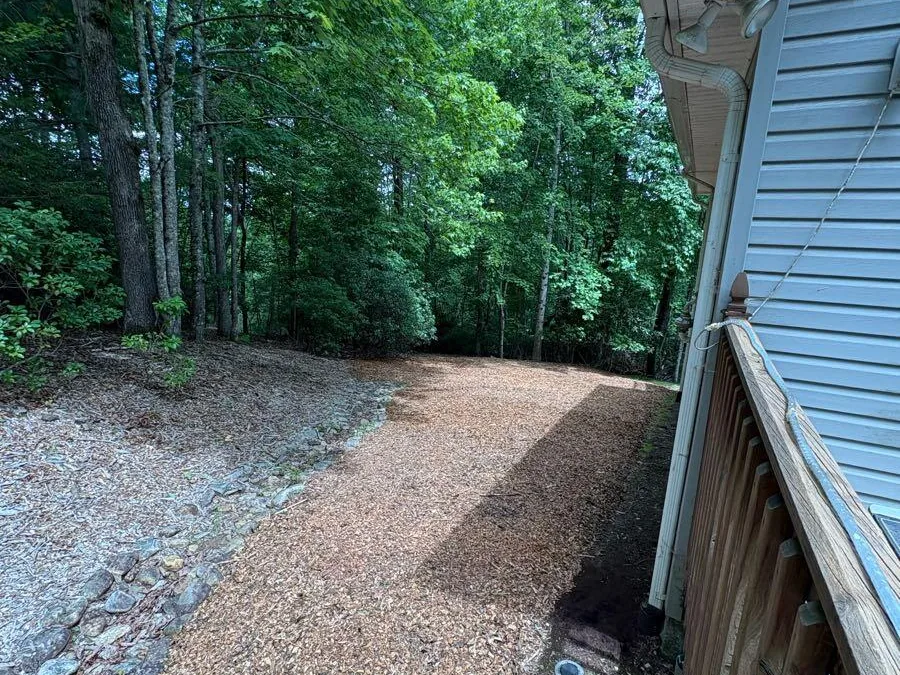
Hard pruning shocks a shrub, and the ground under it is usually the real problem — compacted clay, no organic layer, the shrub surviving in spite of its bed rather than because of it. Rebuilding that bed with a proper mulch installation does more for next year's growth than any fertilizer will, and it's the step most homeowners skip because the trimming is already done and the yard looks finished. It isn't. Mulch holds moisture, moderates soil temperature, and keeps the string trimmer off the trunk — the quiet killer of more shrubs in this county than any insect.
One more local note: steep lots lose mulch fast in a hard rain. Where a property drains toward a creek, mulch choice and how it's applied should account for that, because a bed that washes out in October just costs you twice. Matching the mulch to the slope is cheap insurance.