Getting a ladder to the back of a Laurel Park house
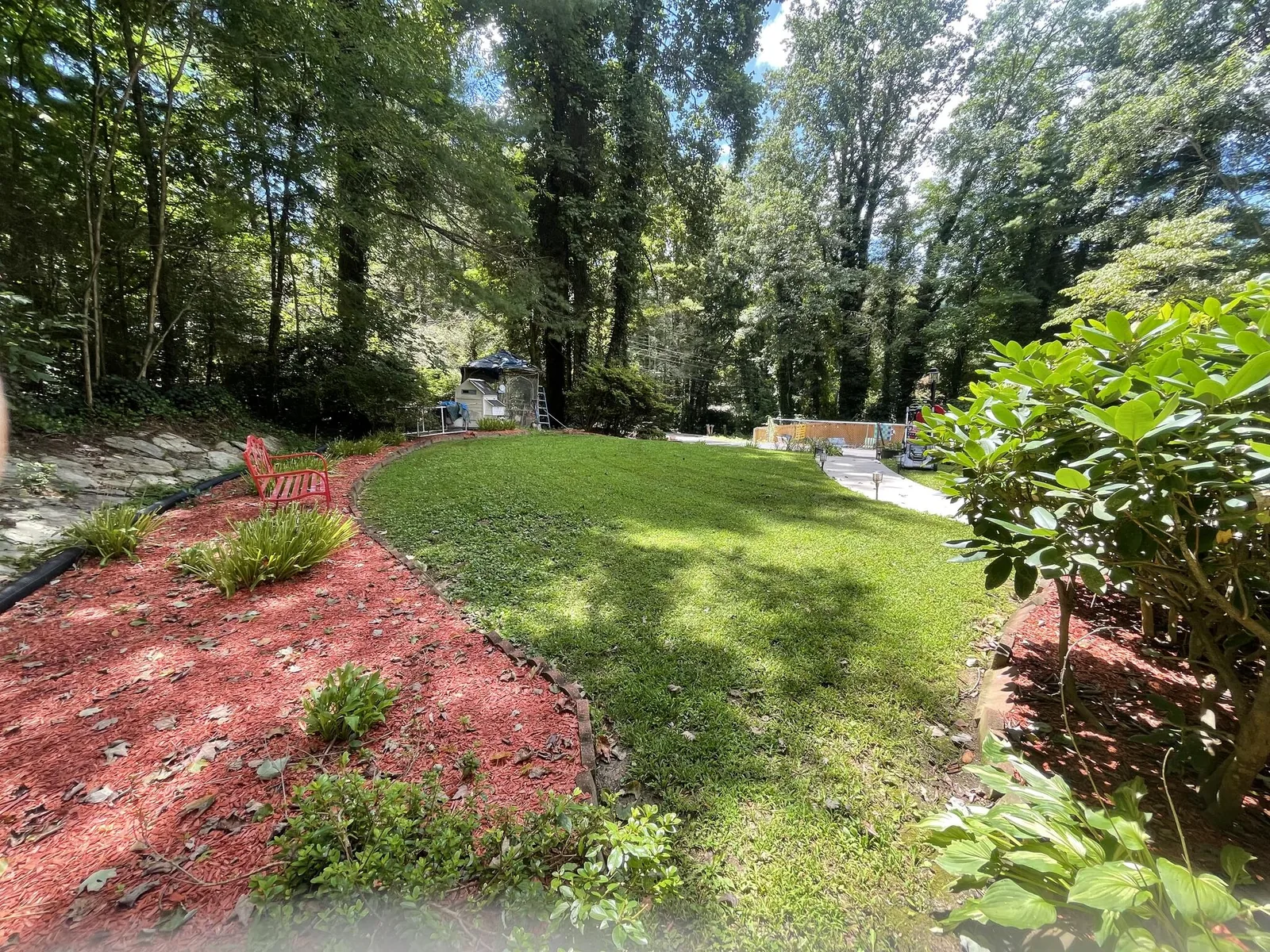
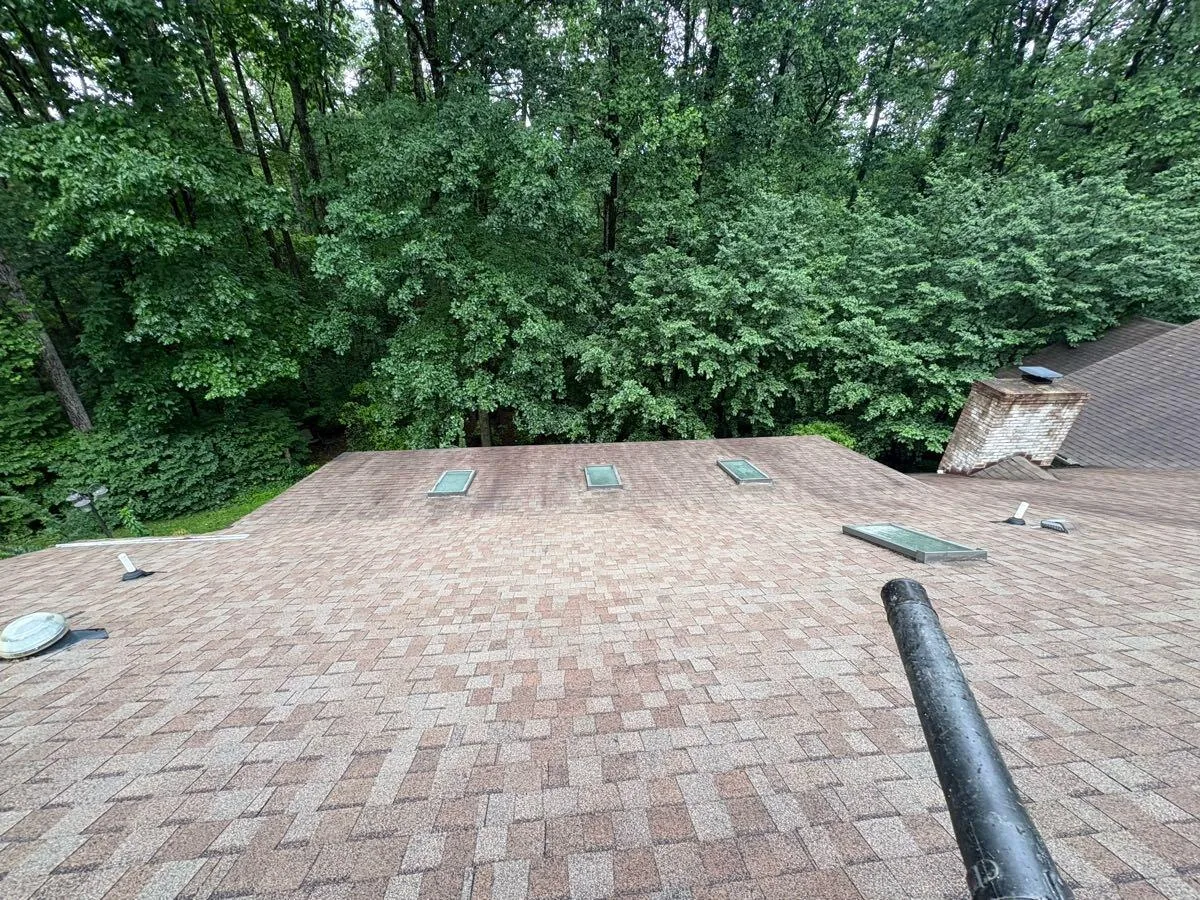
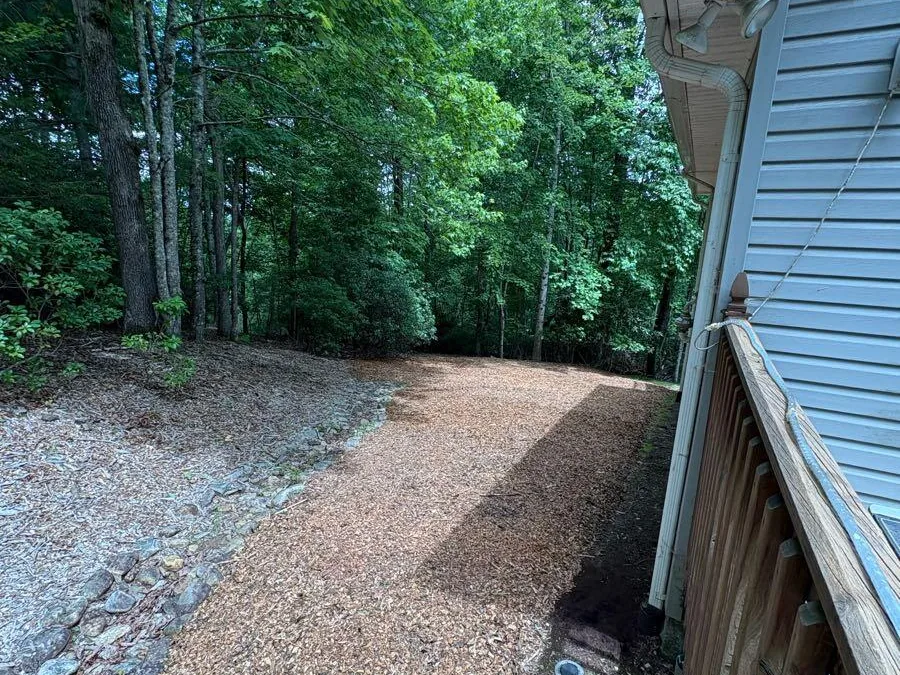
Laurel Park is not a grid town. Platted in the 1920s as a mountain resort community, its streets climb the ridge between Hendersonville and the Greenville Highway, and most lots were cut into the slope rather than leveled. That means a typical house here has a shallow, accessible street-side roof and a rear elevation that drops twelve, twenty, sometimes thirty feet into hemlock and rhododendron. The front of a Laurel Park roof is easy. The back is a logistics problem.
This is the first thing a legitimate roof cleaning quote has to solve, and it's why two bids on the same house can differ by hundreds of dollars. Access on these lots often means working from a lower roof plane, using a stabilizer on a steep grade, or setting up from a neighbor's side of the property line. Crews that walk the rear slope before quoting will price the job honestly. Crews that eyeball it from the driveway will either lowball and renegotiate later or skip the rear entirely and leave the moss that actually matters.
What the tree cover does to these roofs
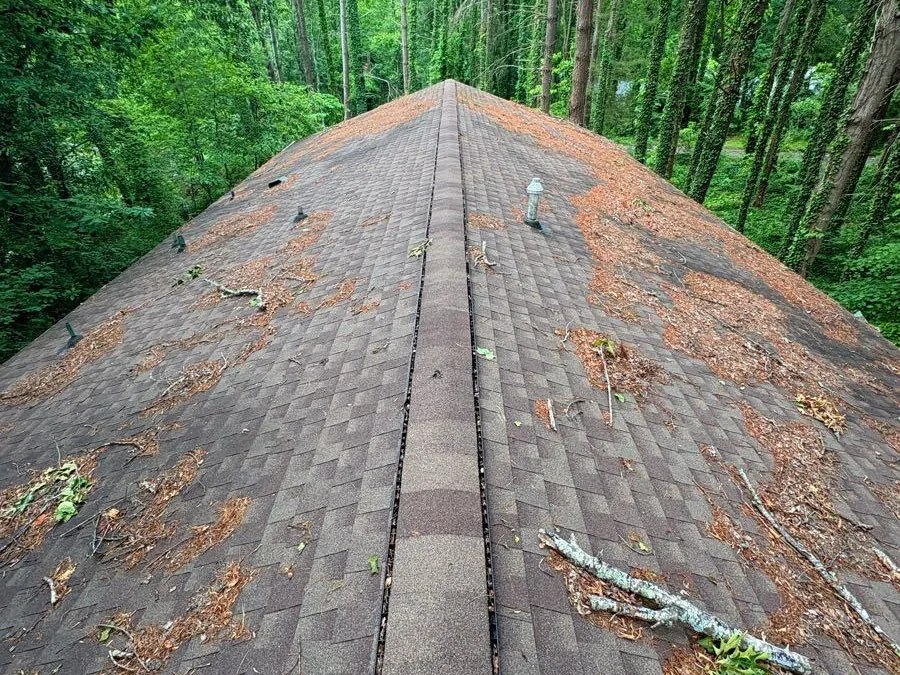
Moss on a Laurel Park roof is not primarily a moisture story — it's a shade-and-debris story. The canopy that makes these lots desirable keeps roof planes damp long after a rain ends, and it drops hemlock and white pine needles year-round instead of in a single autumn dump. Needle pack lodges in valleys and behind chimneys, holds moisture against the shingle, and gives moss a seedbed. Once moss establishes, its root-like rhizoids work under the granule layer and shorten shingle life from the inside.
The tell worth acting on is directional: if one slope is noticeably greener or darker than the others, the problem is localized and cheaper to stop now. If moss has crossed the ridge and the gutters are carrying granules out with the needles, you're looking at accelerated wear rather than a cosmetic issue. The National Weather Service's local forecast and climate data for the southern Blue Ridge is a fair picture of why: this corner of Henderson County runs cooler and wetter than the county seat's lower elevations, and damp shade is exactly the condition moss prefers.
The price picture by scope
Because access and debris load drive the number here more than raw square footage, scope rows are more useful than a single figure. The table below reflects what Laurel Park jobs typically fall into — the town's wooded ridge lots tend toward the middle and upper rows far more often than flat, open lots in the county do.
| Scope | Typical range | What drives it |
|---|---|---|
| Single-plane or street-side wash, light growth | $450–$650 | Easy ladder placement, minimal moss |
| Full-perimeter soft wash, average ranch or cottage | $600–$900 | Rear slope access, moderate needle pack |
| Heavy moss plus needle removal from valleys and gutters | $900–$1,200 | Steep rear pitch, tree-overhang load, hand work |
Anything quoted outside that band should be explained line by line. For comparison, the labor involved in clearing needle pack out of a roof valley is close to what gutter cleaning in Henderson County costs on an annual basis — which is the argument for treating both as one maintenance visit rather than two.
Soft wash, not pressure, and why the code cares
Asphalt shingles are granule-coated, and the granules are the UV armor. A pressure washer strips them off a roof the same way it strips paint off siding, and the damage is permanent. The standard method for shingle roofs is a low-pressure chemical soft wash with a moss-and-algae treatment, followed by gentle rinse, with any agitating done by hand and soft brush rather than nozzle. Roofs that a pressure-washing crew previously hit will show exposed matting and bare patches; that's a re-roof conversation, not a cleaning one.
The International Code Council's residential code resources treat roof covering integrity as a life-safety matter for good reason, and anything that degrades the covering early shortens the interval to replacement. Runoff handling matters too: cleaning solutions go somewhere, and on a slope lot that somewhere is a downhill neighbor's plant bed or a storm inlet. A crew that can tell you how they manage rinse water on a steep grade has thought about the property below as well as the roof above.
What happens to the moss, and where the gutters come in
Dead moss has to leave the roof and the drainage system, not just the shingles. Left in the gutter, it becomes a soggy mat that holds water against the fascia board and backs up into the soffit — a rot problem that costs far more than the cleaning did. On a Laurel Park house under canopy, a proper visit usually ends with valleys cleared, gutters flushed, and downspouts confirmed running to daylight rather than discharging onto the foundation or a slope that drains toward the neighbor's foundation.
Once the roof is clear, the landscape question follows: shade trees that keep the roof damp are the same trees that make these lots valuable, so the answer is usually a maintenance interval rather than removal. If you want the tree and drainage side handled together with the roof work, our landscaping service in Laurel Park covers grading, bed work, and runoff direction on these slope lots. General roof cleaning scope and method detail across the county lives here: roof cleaning services.
Scheduling and why the season is short
Moss growth in this climate runs hardest through the cool, damp months, then dries back in high summer. That means spring and early summer catch the most accumulated growth, and late summer is the least effective window to treat it — the moss is dormant and the rinse evaporates before it does its work. Practical scheduling in Laurel Park clusters in late winter through late spring, plus a fall pass if the hemlock needle drop has been heavy.
The federal disaster record matters here too: 16 declared events touch this county over 1978-2026, and the storm-family events are the ones that matter on a ridge roof. Wind-driven rain drives water under lifted or moss-damaged shingle edges, and trees that lean over a roof through storm season deposit branches and debris on exactly the slopes that are hardest to reach. Inspecting after a significant storm event is cheaper than discovering the damage in a ceiling stain.