The late-winter window that sets up the whole Laurel Park year
By mid-February, Laurel Park's wooded slopes are at their most workable. The oaks along Laurel Park Highway have dropped everything, summer's undergrowth is flattened, and you can actually see the grade, the drainage path, and every bed edge on a property that will be invisible behind green by May. That visibility is why late winter is both the cheapest and the most effective time to book most of the work on this page: mulch beds refresh cleanly, gutters empty before spring storms, and a full cleanup removes last year's debris before it becomes this year's rot.
That timing matters more here than in flatland towns. Laurel Park is built into some genuinely steep, heavily wooded ground — many lots are cut-and-fill terraces with mature tree canopy, seasonal streams, and days that run cooler than the valley floor in Hendersonville. Leaf load is heavy, shade is deep, and grass struggles where mulch and groundcovers would thrive. Landscaping on these properties is less about mowing stripes and more about managing water, debris, and shade — and the window when you can see all three clearly is short.
Consider the difference between a lot on a north-facing slope off a switchback drive and a parcel down near the flat ground by the Hendersonville line. The valley lot dries out earlier, warms faster, and can sometimes be worked in fits and starts through the winter. The slope lot holds moisture, stays cold, and can turn into a slick mess with one warm rain. If you wait until April to call, you are competing with every property owner in the county who suddenly sees the same problem. If you call in February, you are often the only person on the schedule, and the crew can take the time to do the work properly instead of rushing to the next address.
This is not a marketing angle. It is the practical reality of working on ground that is either frozen, saturated, or hidden under a canopy of leaves. Late winter is when the ground is most likely to be firm enough to walk on without leaving ruts, the debris is most visible, and the scope of a project can be assessed without guessing. That is why we push this window so hard for Laurel Park properties specifically.
What a fair scope costs on a typical Laurel Park lot
Pricing here follows slope and access, not acreage. A wooded terrace lot off a private drive often takes longer to clear and haul than a bigger, flatter parcel — and the range below reflects that reality. For countywide context, the working numbers live in the Henderson County gutter cleaning cost table, which lines up with what we see town-side.
| Scope | Typical range | Best window |
|---|---|---|
| Gutter clean, single-story wooded lot | $150–$300 | Late fall and again in late winter |
| Seasonal cleanup (leaves, beds, debris haul) | $250–$600 | Late winter / early spring |
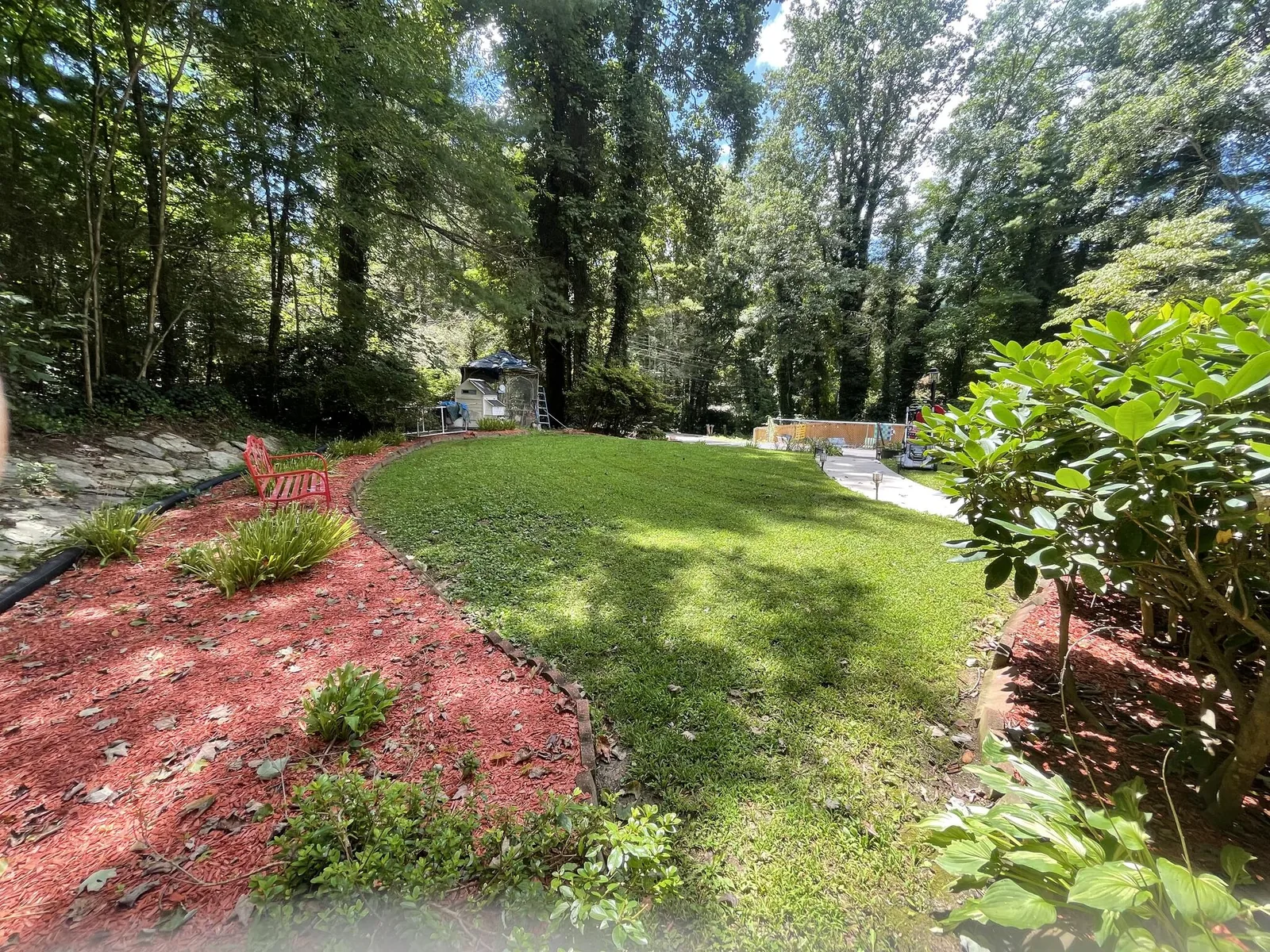
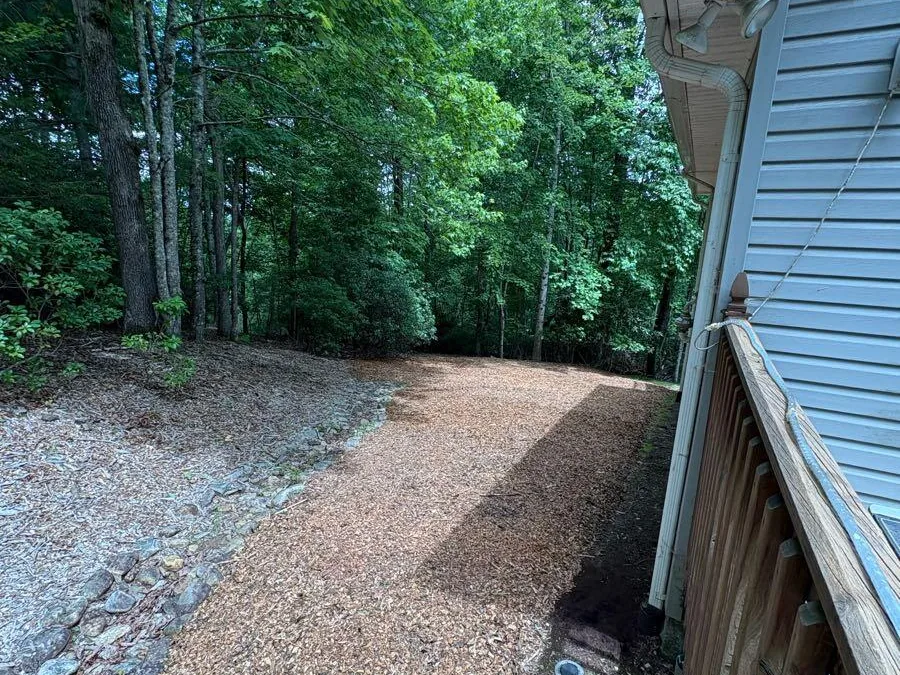
| Mulch bed refresh (install and edge) | $300–$900 | Late winter, before green-up |
| Bed cleanout plus re-mulch, terraced slope | $500–$1,200 | Late winter to early spring |
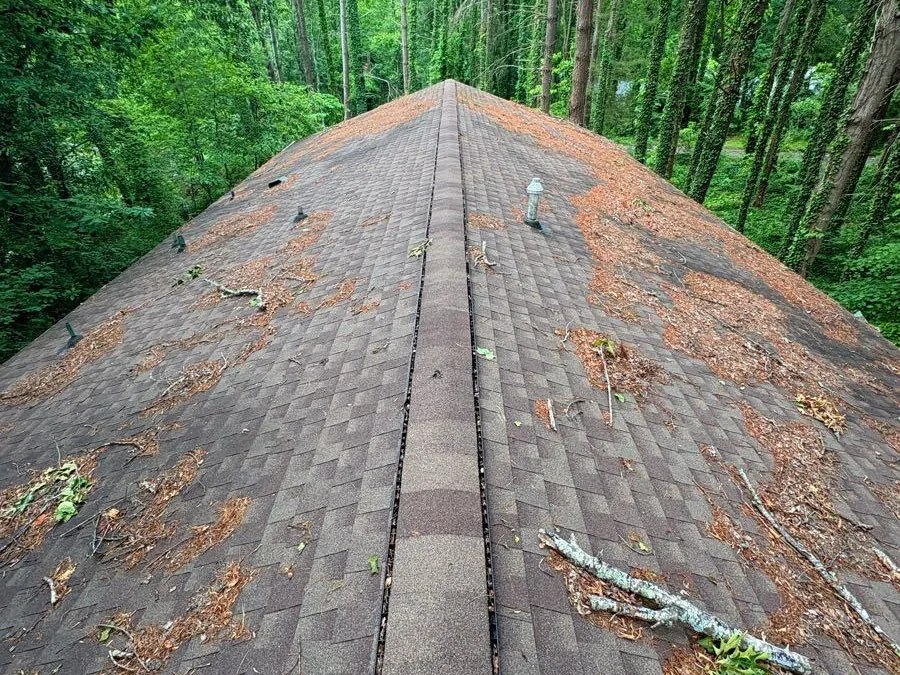
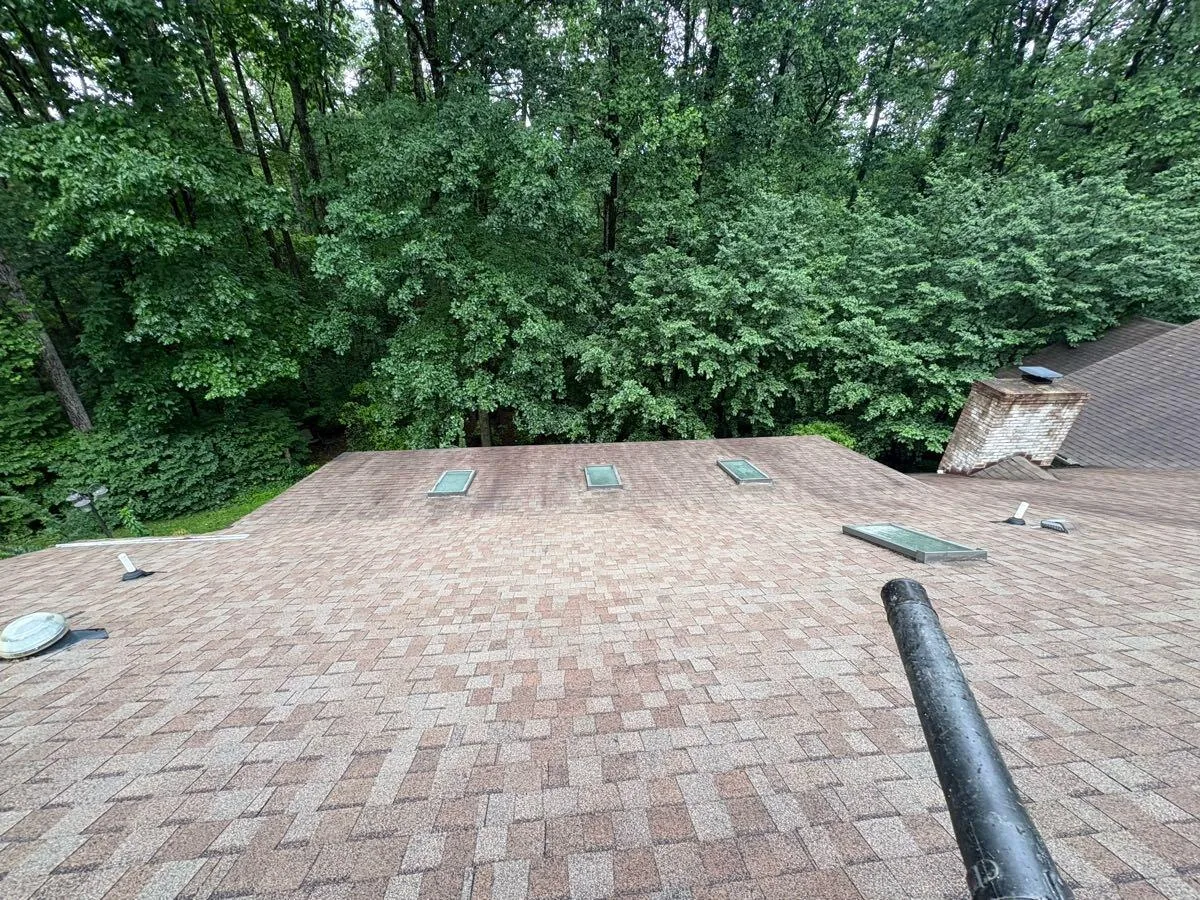
| Roof soft-wash and full cleanout | $600–$1,500 | Spring, after pollen |
Anything with heavy slope access or long haul distances prices toward the top of its band, never past it. If a quote in this town comes in well under, ask what is being left out — hauling and slope labor are usually it.
One thing that surprises people moving here from flatter parts of the state: the cost of getting debris out. On a typical Laurel Park lot, you cannot just back a trailer up to the bed. You are carrying buckets, tarps, or a wheelbarrow up and down steps, across terraces, or along a narrow path between trees. That labor is real, and it is the main reason a job that looks simple on paper can land in the middle or upper part of its range. It is also why bundling services into one visit saves money: the setup and hauling are already paid for, so adding a gutter clean or a bed refresh to a cleanup is far cheaper than booking them separately.
Another local factor is the mix of full-time residents and second homes. Some properties sit empty for months, which means debris accumulates unchecked and gutters can overflow for weeks before anyone notices. When we finally get on site, the scope is often larger than the owner expected. Booking a late-winter visit on a vacant property is the single best way to catch that before it becomes a repair bill.
Shade, water, and what actually grows here
Laurel Park's canopy is the defining feature of the work. Deep shade suppresses turf, moss moves into bare spots, and beds hold moisture longer than the open lawns a few miles away in the valley. That pushes local landscaping toward shade-tolerant plantings, groundcover, and mulch systems that manage water instead of fighting it — and it means the lawn care approach that works on a sunny Hendersonville lot often needs adapting here rather than copying.
Storm behavior is the other half of it. The federal record shows 16 declared events touching this county across 1978-2026, overwhelmingly storm and flood family — and on these slopes that means water arriving fast and leaving debris behind. Gutters and drainage get overwhelmed before anything structural does. That is why we sequence work the way we do: clear the water paths and the debris load first, then build the beds and plantings on ground that will actually hold. The National Weather Service outlooks are worth watching before any spring project that depends on dry soil, and steep-lot work that touches retaining or grading should respect International Code Council standards on slope and drainage where local rules adopt them.
There is also the question of what to plant. Full sun options that thrive in a open field in Mills River or Etowah often struggle under the white oak and poplar canopy that covers much of Laurel Park. Shade-tolerant shrubs, native groundcovers, and ferns tend to establish better and require less water once they are in. Mulch is not just decorative here; it is a water-management tool. A properly edged and refreshed bed slows runoff, holds moisture in the root zone, and keeps soil from washing down the slope during a heavy rain. That is why we treat mulch as part of the drainage system, not just a finishing touch.
If a property has a seasonal stream or a wet-weather drainage path, the landscaping has to work with it. Blocking or redirecting that flow uphill of a structure is a recipe for a basement or crawlspace problem. Simple, honest solutions — a gravel-filled trench, a shallow swale, a line of river rock — often do more than an expensive retaining wall. The important thing is to look at the property in the wet season, which is another argument for booking in late winter rather than late spring.
Booking it: how the season shapes the price
The single biggest lever on what you pay in Laurel Park is when you call. March through May, every crew in Henderson County is booked and prices firm up. Late January through February, the same scope is often scheduled faster and priced at the lower end of its band because the debris is finally visible and the calendar is open.
For gutters specifically, the town's tree load makes two cleans a year the honest recommendation — once after leaf drop, once before spring storms. The Laurel Park gutter cleaning page covers the local specifics, and bundling that with a bed refresh or cleanup in the same visit is where the mid-band pricing really pays off. One trip, one crew, and the heavy leaf season handled before it costs you a water problem.
It is worth thinking about the year in phases. Late fall is when the leaves come down and gutters load up fast. If you skip that clean, the first heavy winter rain can back water up under the roof edge and into the fascia. Late winter is when you can see the damage and fix it before spring. Early spring is when everything greens up and the window for visible, efficient work closes. Summer is for maintenance and the occasional storm cleanup. By the time fall arrives again, you are back to the start. The owners who spend the least over time are the ones who work with that rhythm instead of against it.
For anyone comparing quotes, ask what is included in the haul-away and whether the price covers slope labor. A low number that leaves debris on site or assumes flat, easy access is not a real comparison. And if you are scheduling for a specific event — a home sale, a family gathering, a spring planting — mention the date when you reach out. Late winter bookings can often be moved or combined to hit a deadline, while peak-season slots are far less flexible.