The line items that actually move your Hendersonville number
Two properties on the same Henderson County road can differ by $800 in a season, and it almost never comes down to which crew you call. It comes down to slope, trees, and where water goes. A cottage on a wooded flat in Flat Rock with six pines may need two cleanups a year and a mulch refresh; a house cut into a hillside off Kanuga with oak canopy overhead can need three leaf removals, a gutter clean every quarter, and grading work before any of it stays done. Before you price anything, price the work those three factors create.
The honest breakdown: leaf and debris volume sets your cleanup tier, bed size and edging determine mulch cost, and roof pitch plus surrounding canopy tells you whether cleaning is a one-story job or a two-day one. Everything else is a variation on those three.
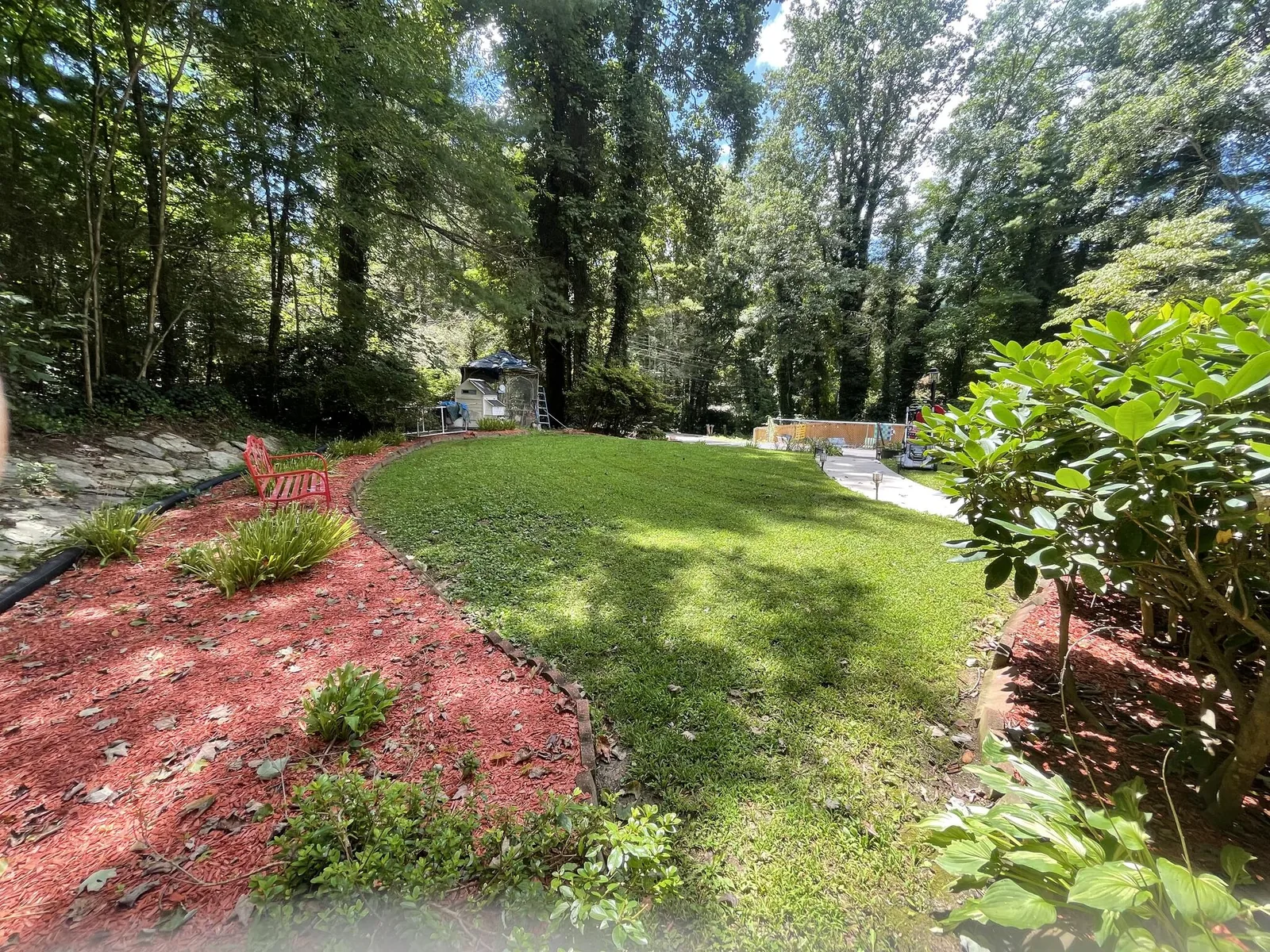
Drive Highway 64 toward Bat Cave or up Howard Gap Road and you can read the cost of a property from the road: white oaks and hickories crowding a north-facing slope, a driveway cut into the grade, gutters already staining at the seams. Those are the lots where a $350 cleanup turns into a $900 cleanup not because anyone is gouging, but because the volume and access are genuinely different. A ranch on a level half-acre near the Historic Courthouse square in downtown Hendersonville is the other end of that spectrum — open lawn, one story, a couple of ornamental beds — and it prices accordingly.
What Henderson County work costs, line by line
Ranges here come from the same band we quote across the county; a specific address can push a job toward the top of its row but not past it. The county's wooded character and leaf load explain why cleanups and gutters dominate local call volume — see the Henderson County gutter cost breakdown for the plumbing of it.
| Scope | Typical range |
|---|---|
| Gutter clean (single-story, standard run) | $150–$300 |
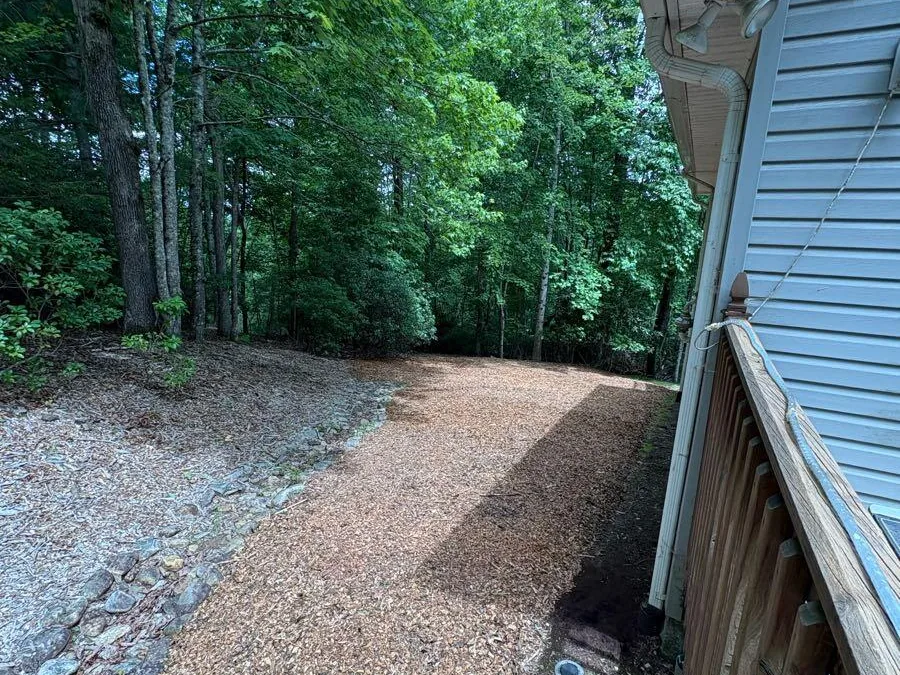
| Mulch bed refresh (standard front beds) | $300–$700 |
| Seasonal cleanup (leaf and debris removal) | $350–$900 |
| Full bed renovation (edging, plant, mulch) | $700–$1,200 |
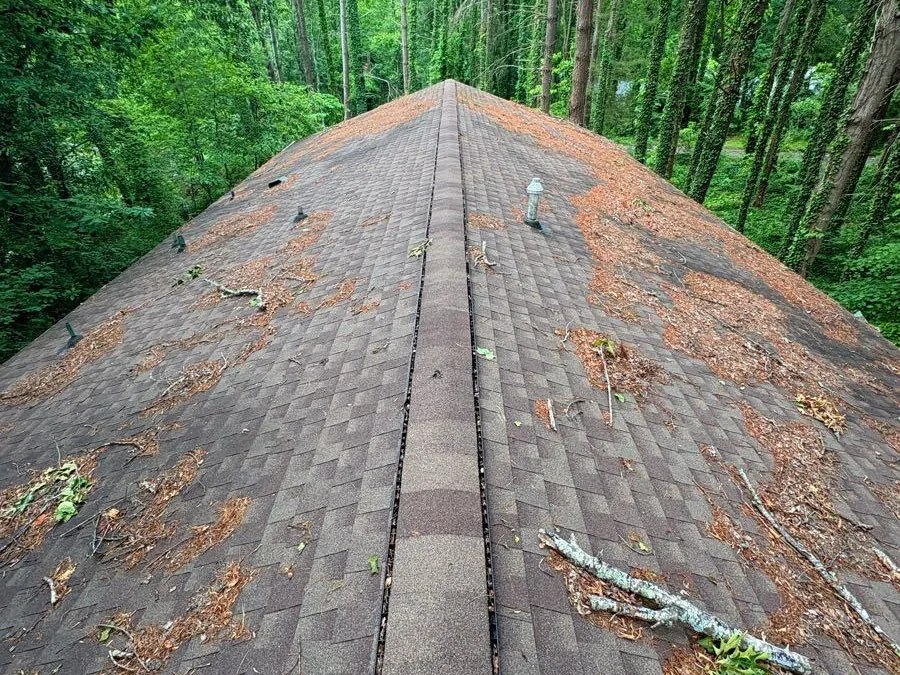
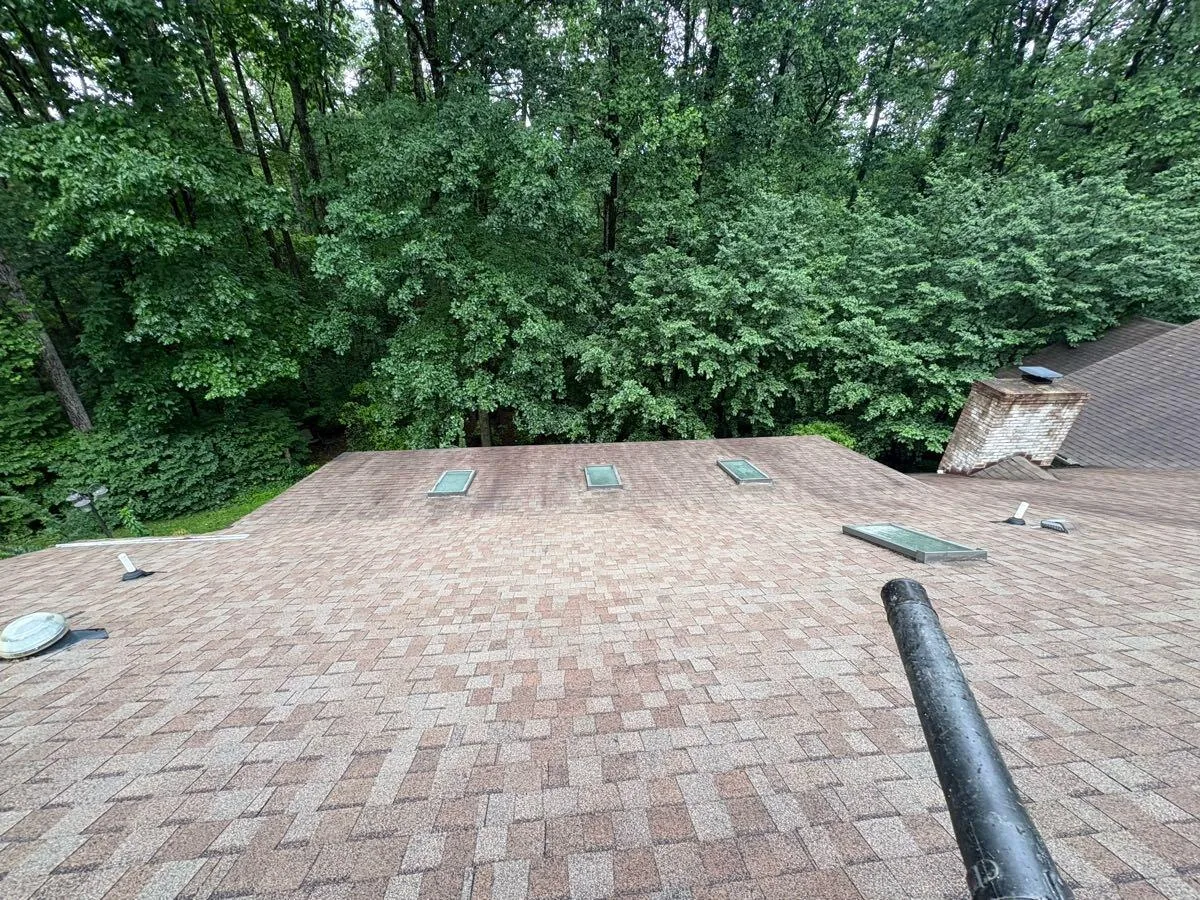
| Roof cleaning / full property cleanout | $900–$1,500 |
Two-story runs, steep lots, and heavy canopy push toward the ceiling; simple, open lots sit near the floor. A standard front-bed refresh on a level lot in Laurel Park is a different job than the same square footage on a terraced yard in the Etowah valley, where every wheelbarrow of mulch has to be walked or winched up a grade. That access reality, not the mulch itself, is usually the swing factor between the $300 floor and the $700 ceiling on a refresh.
Gutter work follows the same logic. A single-story ranch with a straight run and no gutter guards is a fast clean near $150. Add a second story, a steep pitch over a walkout basement, and a valley that dumps oak tassels and shingle grit into one corner, and the same "gutter clean" becomes a ladder-and-harness job that prices toward $300. If you want to understand what drives that spread across the whole county, the Henderson County gutter cost breakdown walks through it line by line.
Leaf season, slope, and the drainage nobody quotes
Henderson County's federal disaster record tells its own story: 16 declared events touch this county across 1978-2026, overwhelmingly storm and flood family. Every one pushed water across properties built on assumptions of a drier season. On a wooded hillside lot, a mulch bed that holds water is a slow problem, and a gutter that dumps against the foundation is a fast one. That is why gutter cleaning in Hendersonville and cleanup scheduling show up as the front half of most landscaping calls here.
The National Weather Service tracks our seasonal rain and storm patterns, and any real quote should reflect them: wet-season drainage and fall leaf timing are line items, not afterthoughts. In this county the leaf drop is not one event. Tulip poplars and black locusts start shedding in late summer, oaks run through October and into November, and the last stubborn beech and oak leaves hold until a hard wind in December finally strips them. That spread means a single "fall cleanup" often becomes two passes three or four weeks apart, and a quote that assumes one visit is a quote that will grow.
Water is the other half of the same problem. Our clay-heavy mountain soils shed water slowly once saturated, and a slope that drains fine in July can sheet across a driveway in a February thaw. Beds built against a foundation on the uphill side of a house need to be graded away from the wall, not just topped with mulch. If a crew quotes you a mulch refresh without asking where the water goes in a wet season, that is the tell that they are selling appearance rather than a yard that holds up.
Lawn and bed care in a mountain climate
The growing season in this county is shorter and wetter than the Piedmont's, which changes what a lawn needs. Cool-season grasses, an earlier leaf drop, and a real dormant season mean lawn care here is about timing as much as fertilizer. Fall seeding, a first cleanup before leaf drop completes, and a spring bed refresh track the actual calendar rather than a flat schedule.
Bed work is the other half. Mulch depth and edging compete with slope: on a grade, a shallow, roughed bed holds better than a deep, smooth one. That is a detail a crew that works mountain lots learns on the job, and it is worth asking about before you buy a refresh.
Plant selection reflects the place too. Native and adapted shrubs that tolerate wet winters and a shorter season do better here than the same palette you would see in Charlotte or Raleigh. Azaleas, hydrangeas, and native ferns handle our moisture and shade; sun-loving lawns and full-sun perennials struggle under a heavy oak canopy no matter how much you water them. The right question for a bed renovation is not just what looks good on day one, but what survives a Henderson County winter and a wet spring on the specific slope you own. A full bed renovation that includes new plantings runs $700–$1,200, and the difference between a bed that thrives and one that thins out by year two is almost always whether the species match the site.
What to ask before you book a crew
Three checks that separate a professional scope from a brochure: ask how they sequence cleanup against drainage (leaves first or gutters first, and why); ask whether they touch gutters at all or subcontract them; and ask for their plan when a slope lot drains toward the house. A crew that answers all three is quoting the job you own.
Legal and safety context matters too. Pesticide and fertilizer handling is regulated federally — the EPA sets the framework that state rules build on — and any crew applying product should be able to say what it is using and why. Roof and gutter work carries fall risk that proper ladder and harness practice addresses, and the North Carolina Office of State Fire Marshal publishes the safety guidance that shapes how that work should be performed. When you are ready to price, use the form and describe your lot: trees, stories, slope, and bed size.
One more practical tip: walk your own property after a hard rain before you call. Note where water pools, which gutters overflow, and where leaves are already dammed up. Those three observations will get you a far more accurate scope than a square-footage guess, and any honest crew will appreciate the head start.