Where the number actually comes from on a Henderson County yard
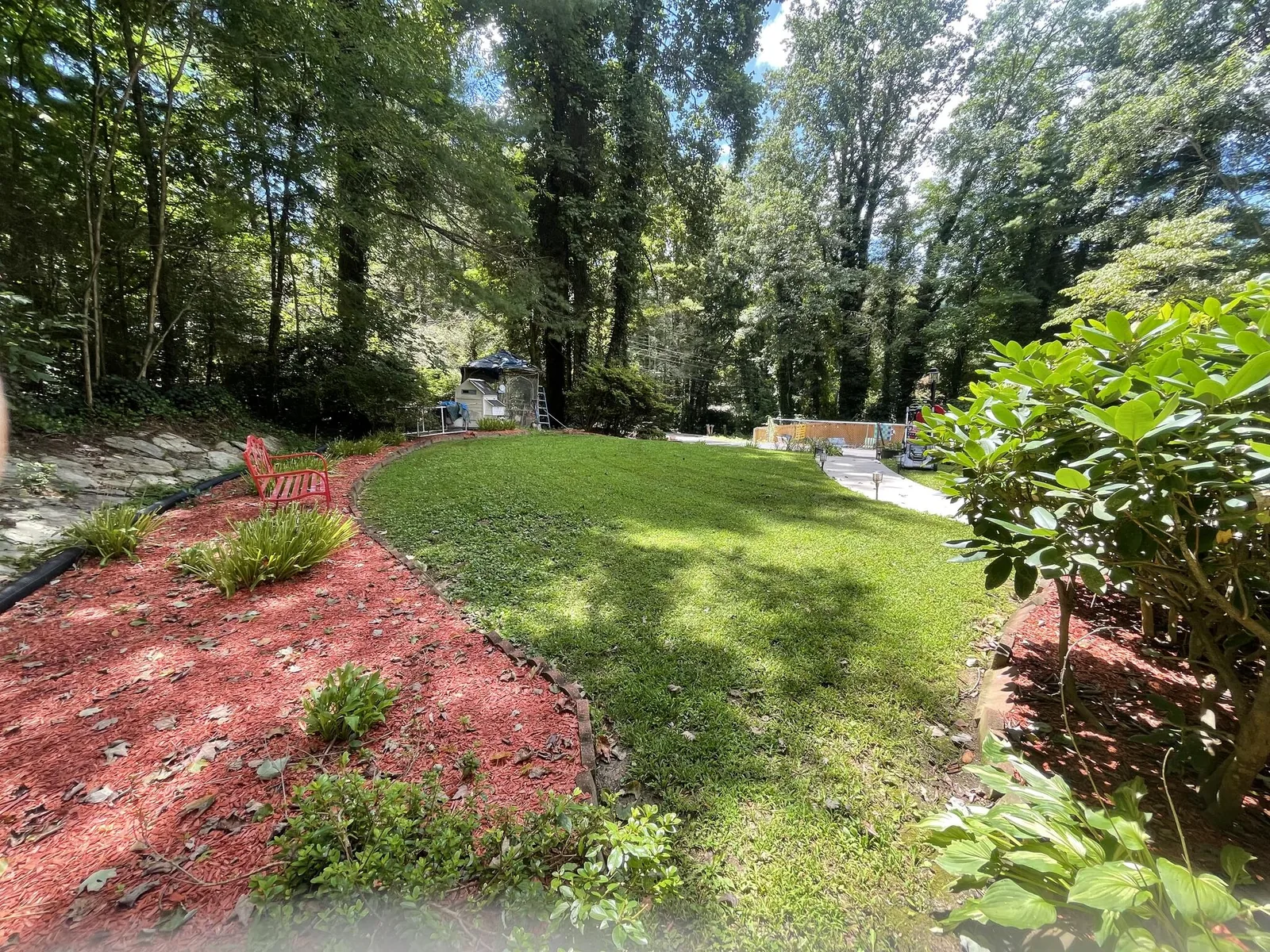
A quarter-acre flat lot in Hendersonville proper and a graded hillside off Kanuga Road are the same square footage on paper and two entirely different days of work. That gap, not the mowing itself, is what separates a low bid from a high one here. Henderson County sits in the Blue Ridge foothills, and most of its housing stock either clings to a slope, backs up to hardwood canopy, or both. Mowing is the easy line item; the time goes into edging curb-to-driveway, wrestling a string trimmer around retaining walls and foundation plantings, and blowing clippings off gravel, mulch, and patios instead of a clean lawn edge.
Drive a few miles out of town and the terrain changes the job again. Lots off Howard Gap Road or up toward Edneyville tend to be carved into the ridge and carry more slope, more rock, and more ornamental beds than an in-town lot of the same size. Subdivisions around Fletcher and Mills River are flatter and more open, which is part of why quotes there often land nearer the low end. Etowah and Horse Shoe mix both: some flat pasture-edge yards, some wooded lots where the canopy is the whole story. A crew pricing all of Henderson County the same is pricing none of it well.
Four line items decide almost every quote in this county:
| Scope of work | Typical Henderson range | What drives it |
|---|---|---|
| Biweekly mow, trim, edge, blow — average in-town yard | $45 – $60 per visit | lot size, gate access, grass type |
| Same plan on a steep or heavily landscaped lot | $60 – $75 per visit | slope angle, trim time, wall and bed edges |
| Monthly plan equivalent (2 visits) | $120 – $260 per month | visit count, seasonal growth rate |
| Leaf removal, add-on (fall cleanups) | $180 – $450 per cleanup | canopy coverage, haul-off distance, dump fees |
Those are working ranges from how this market prices, not bids. Any crew quoting firm over the phone before walking the slope is guessing, and the guess usually shows up as a mid-season increase or a skipped edge. Ask instead for a walk-through and a written scope, and compare the scope line by line.
Why mountain properties price higher than flatland quotes suggest
The regional lead-gen sites quote a national average built on flat suburban lawns with one small tree. Henderson County yards fight the climate instead. Spring green-up here runs hot and fast after a wet March, which means a lawn that took eleven days to look shaggy in April takes seven in May. A biweekly schedule that works all summer will fall behind for six weeks in spring, and crews either add a visit (raising your monthly) or run a slower, less detailed mow to keep up.
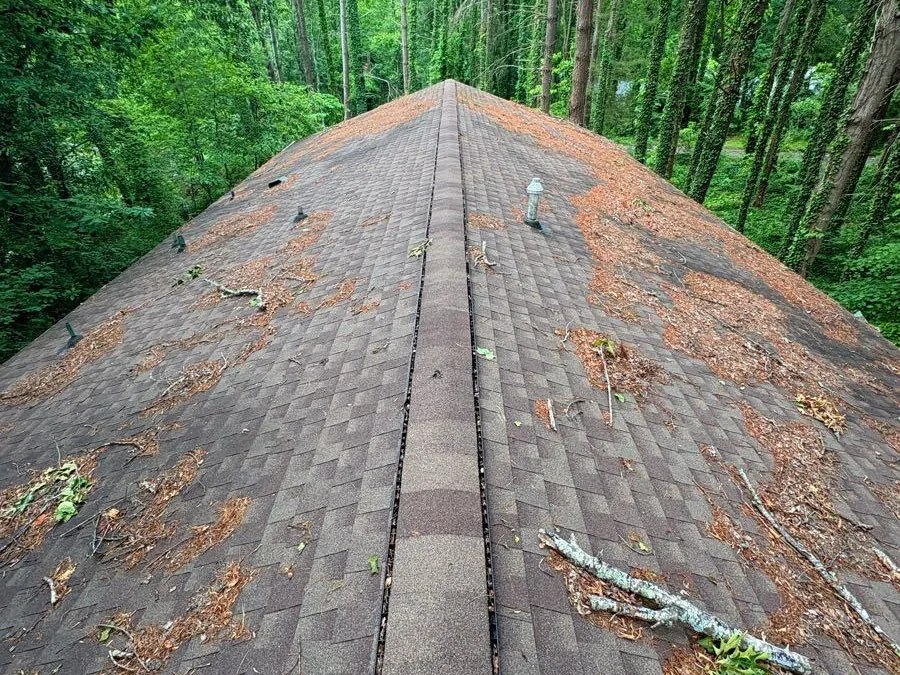
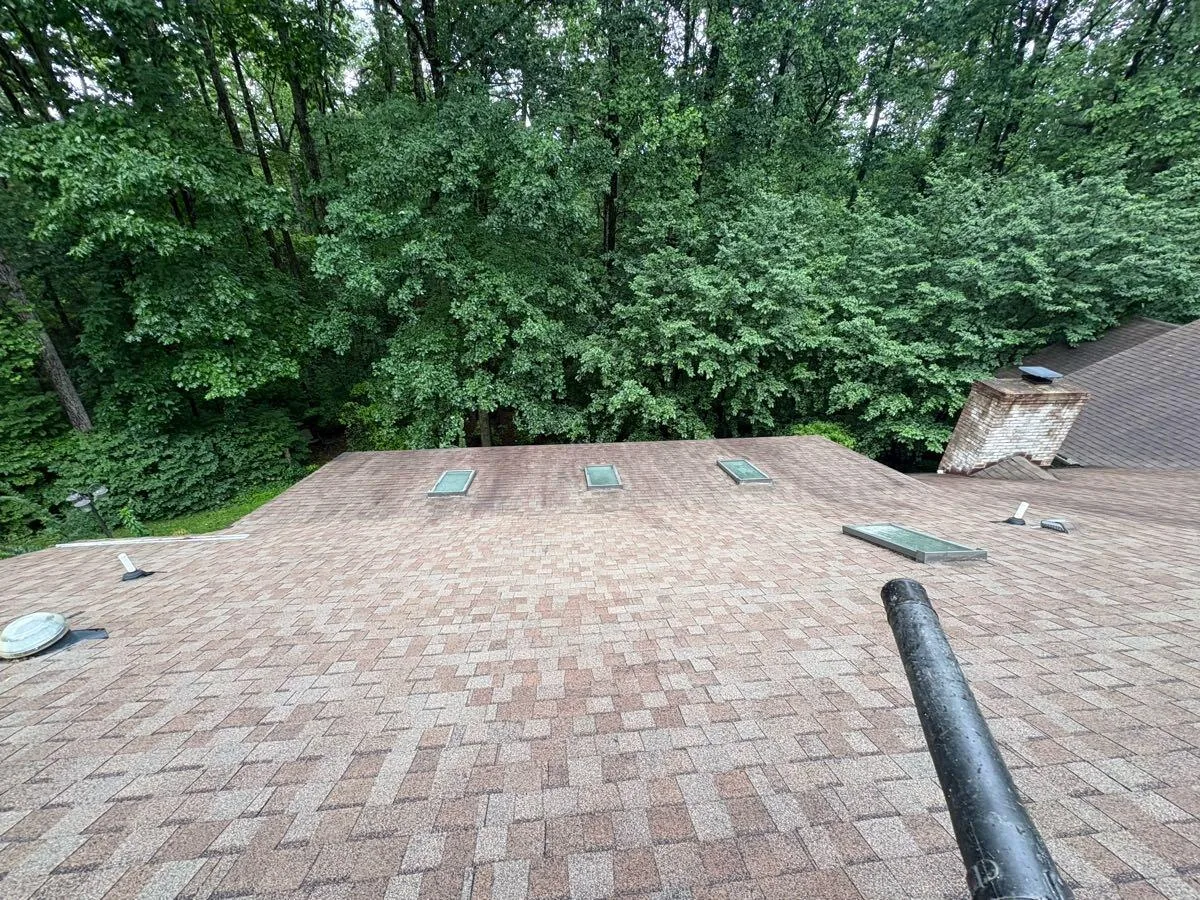
Water is the other half of the story. This county's storm record is not abstract: 16 federally declared disaster events have touched Henderson County across 1978-2026, most in the storm and flood family. That matters to your lawn. Heavy runoff down a graded yard scalps turf at the low corner, pools against foundation beds, and pushes mulch into the grass, all of which turns into extra trim and edge time on the next visit. It also loads gutters fast, and clogged gutters pour right onto the lawn edge you paid to have cut clean. If you have not looked at them since fall, our gutter cleaning guide explains what overflow does to beds and turf below.
Hillside work carries a second penalty most flatland quotes never mention: equipment access. A zero-turn mower is useless on a 25-degree bank, so crews run walk-behinds or push mowers up grades where footing is uncertain, and that is pure labor hours. Add fencing, split-rail borders, or a driveway too narrow for a trailer and the setup time per visit climbs before a single blade is cut. That overhead is real, and it is the honest reason the same square footage costs more here.
What a plan should and should not include at this price
Mow, trim, edge, and blow is the standard package, and the price band above reflects exactly that. Read any quote for what it leaves out, because the add-ons are where a $50 visit quietly becomes $90 a month more:
- Fertilization and weed control — usually billed separately as a season program, not bundled into mowing.
- Leaf cleanup — in a county this wooded, fall is a second job, not a mowing visit.
- Hedge and shrub trimming — priced per shrub or per hour, not per visit.
- Grading, aeration, overseeding — annual projects, not maintenance.
Seasonality is the part homeowners underestimate here. Henderson County gets a genuine four-season cycle: fescue that goes semi-dormant in the heat and needs fall overseeding, tall hardwoods that drop from October into December, and winters that can stall growth for weeks and then snap back. A maintenance plan priced for twelve identical visits will not match that calendar. Ask how a crew handles the slow months, whether the monthly cost dips when growth stalls, and what happens to pricing when leaf season arrives. The honest version of a mowing quote is one number for cutting and a written list of what costs extra. If a bidder will not put that list in writing, the missing items are the business model. For the full breakdown of what a maintenance plan covers in this region, see the lawn care cost guide and the service overview.
Rules, runoff, and safety that affect the price honestly
North Carolina does not license lawn maintenance the way it licenses general contracting, and small mowing work sits far below the state's licensing threshold rules for contractors (NC Office of State Fire Marshal). That means anyone with a mower can legally take your money, and price competition here is real but uneven. What a professional crew carries that a cash-only operator usually does not: liability coverage, equipment maintenance, and safe handling of any fertilizer or pesticide applied to your turf, which is federally regulated under EPA rules for pesticide use and labeling. If a bidder offers chemical weed control, ask what product and whether they follow label rates. That single question separates a trained applicator from a guy with a sprayer.
Weather is a genuine scheduling factor in this county, not an excuse. Afternoon thunderstorms build over the Blue Ridge through summer, and a yard mowed wet on a slope does lasting damage to both turf and soil structure. Reputable crews watch the forecast and shuffle the week, which is why a good operation sometimes arrives a day late and never scalps your lawn. That flexibility is part of what you are paying for, and it is worth asking about before you sign.
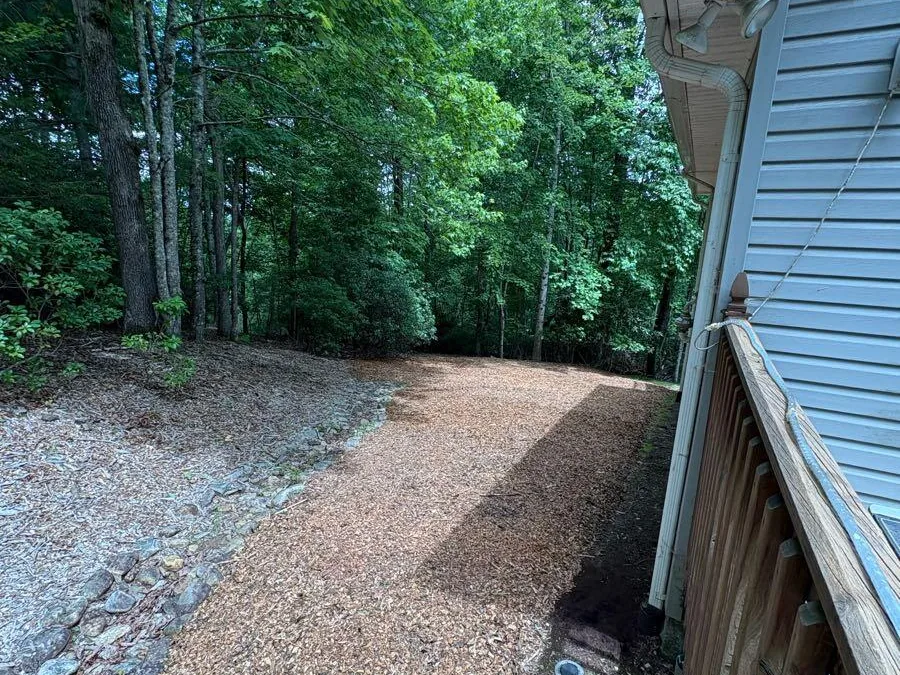
One more local factor that is not a code issue but is a cost issue: erosion. Steep Henderson County lots lose topsoil downhill every heavy rain, and a crew mowing wet turf on a slope tears ruts that cost more to fix than the mow saved. Good operators reschedule after a soaking rain. Where drainage is clearly failing, the fix usually starts above the grass line, with gutters and downspouts routed away from the slope, before any mowing plan will hold up season to season.
How to compare bids without getting burned
Three things protect you when you are shopping this market:
- Get the visit frequency in writing. "Biweekly" means every 14 days, not whenever they show. Spring and fall are when schedules slip, so ask how they handle peak growth.
- Price the add-ons up front. Ask what a leaf cleanup costs and whether haul-away is included. A cheap mow with a $400 surprise cleanup in November is not cheap.
- Check the insurance question directly. Ask for a certificate of liability coverage. A mower throwing a rock through a window is a real cost, and you want to know who pays it.
Also match the plan to the property honestly. A small flat in-town lot rarely needs weekly service; a wooded hillside with heavy ornamentals may need a scope that costs more than the table's low end, and pretending otherwise just moves the shortfall to a mid-season surcharge. If a quote lands far outside the range table above, make them explain the slope, the trim load, and the access. Sometimes the reason is real. How they explain it tells you whether the price is work or markup.