The cheapest window is late winter, before the grass wakes up
In Buncombe County, lawn care pricing follows the growing season, not the calendar year. The most cost-effective time to lock in a plan is late February through March, before fescue and bluegrass break dormancy in the valleys around Asheville and the first mow is needed. Contractors booking spring routes early have room to lock a per-visit rate; once April hits and every yard from Black Mountain to Candler greens up at once, demand spikes and the same plan can cost you 10–20% more, or you get squeezed onto a less convenient schedule.
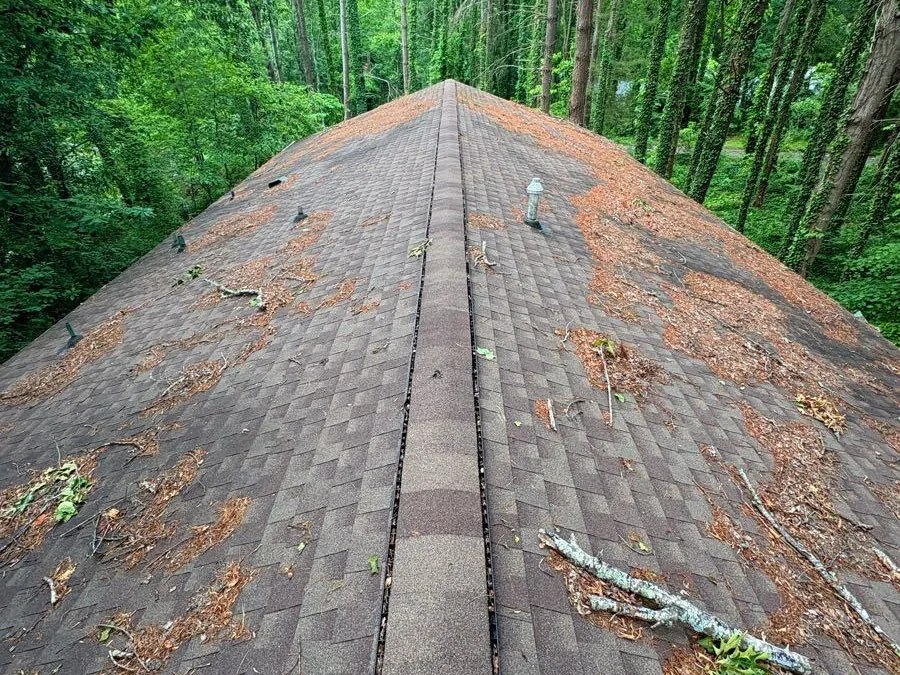
The other honest window is the opposite one: late fall cleanup. Leaves drop in waves off the oak and hickory canopy that covers much of this county, and a property that books gutter clearing and a final cut in November stays tidy while everyone else is chasing crews. If you are comparing plans, the full lawn care cost guide breaks down what belongs in a standard visit versus an add-on. The key local point: buy in the off-season and let the growing season pay you back.
There is a reason this timing matters more here than in the piedmont. Buncombe sits at elevation, and the growing season starts later and ends earlier than it does an hour east in Charlotte. That shorter window compresses demand. When the grass finally takes off in the French Broad valley, every crew in the county is booked solid within a couple of weeks. The customer who called in February gets the prime Tuesday slot and the locked rate; the one who calls in May takes whatever gap is left and pays spring pricing for it.
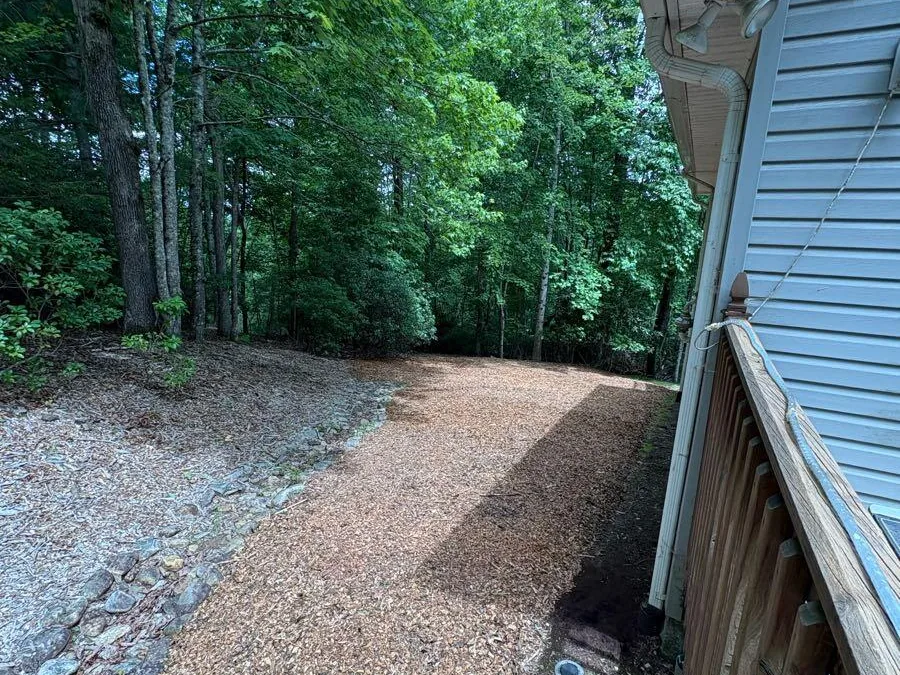
Late winter is also when the ground is workable but the grass is not growing, which makes it the smart time for the jobs that are hard to do once everything is green. Bed edging, mulch refresh, a conversation about drainage, even a rough grade fix. A crew that can do those things in March is not fighting a jungle to do them, and that efficiency shows up in the number they quote you.
What Buncombe terrain does to a standard price
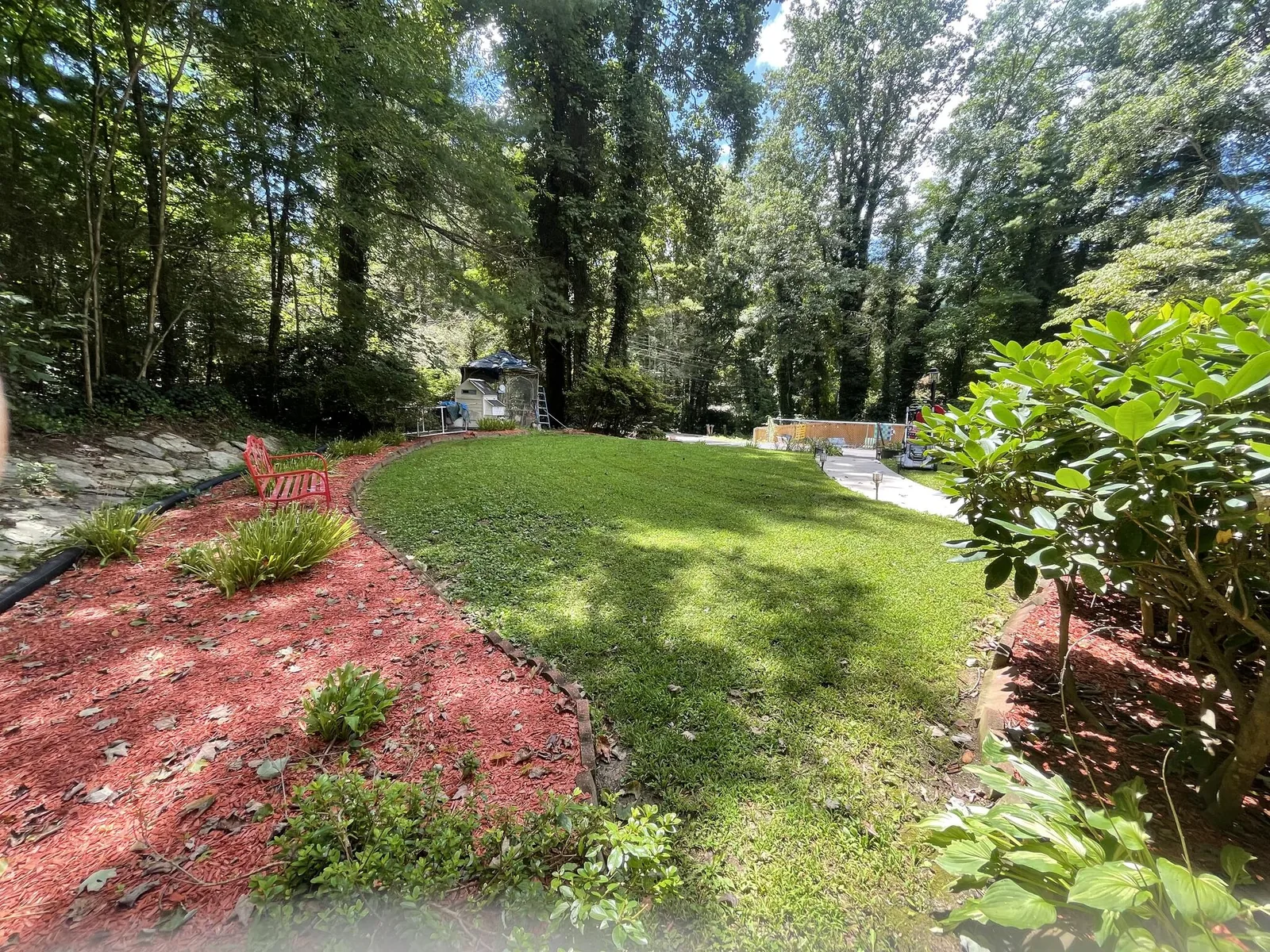
Buncombe County is mountain country, and lawns here are not the flat, rectangular slabs that per-visit pricing was invented for. A lot in West Asheville or a hillside parcel in Weaverville may have a 20-plus-degree grade, tight access, retaining walls to trim around, or a yard that drains toward the foundation after every storm. That kind of work slows a crew down, and slower work costs more within the same band.
| Scope of work | Typical Buncombe range | What drives it |
|---|---|---|
| Biweekly mow, trim, edge, blow (average lot) | $45 – $65 per visit | lot size, grade, gate access, growth rate |
| Biweekly plan, larger or sloped yard | $65 – $75 per visit | trim obstacles, slope, travel distance |
| Monthly plan equivalent | $120 – $260 per month | number of visits, seasonal cleanup add-ons |
| Leaf removal and bed cleanup (fall) | priced per visit or per season | canopy density, haul-away, volume |
Those are working ranges, not quotes. A crew that names a firm number before walking the grade and seeing where the runoff goes is guessing.
The terrain variation in this county is genuinely wide over short distances. A lot on the floodplain along the French Broad near Arden can be nearly level and easy to mow. Ten minutes up the road toward Asheville's west side, the same size lot might sit on a slope where the mower has to be walked sideways and the trim work runs along a rock wall. Both are 'average' yards on paper. They are not the same job in practice, and a fair quote reflects that.
Housing character matters too. Older neighborhoods inside the city have mature landscaping, tight side yards, and gates sized for a push mower rather than a zero-turn. Newer subdivisions out toward Candler and Leicester often have open, graded lots that mow fast. If you know which kind of property you have, you already know roughly where you sit in the band before anyone quotes you.
Why most Buncombe yards need a drainage eye, not just a mower
This county gets hit by weather systems that stall against the Blue Ridge, and the federal record backs it up: 19 federally declared disaster events have touched Buncombe County over 1973-2026, mostly storm and flood family. That history matters for your lawn. Saturated soil on a slope loses its grip, water pools at the low corner of the yard, and the grass suffocates under standing puddles long after the rain stops. A mowing-only plan cannot fix that, and pretending otherwise wastes your money.
Practical consequence: ask any bidder what the water does after a heavy storm before you sign. If they shrug, that tells you their plan is cosmetic. Pair mowing with gutter cleaning so roof runoff leaves the property instead of sheeting onto the lawn, and consider grading or a simple French drain where the yard tilts toward the house. The lawn care service overview covers how these pieces fit together, and the National Weather Service keeps local outlooks you can watch before booking seasonal work.
The mountain weather pattern is the thing to understand. Systems coming out of the Tennessee Valley run into the Blue Ridge and slow down, which is why Asheville can sit under gray drizzle for days while towns an hour east stay dry. That steady, soaking rain is harder on a sloped lawn than a quick downpour, because the soil never gets a chance to drain between storms. Grass roots sit in saturated ground, fungal issues show up, and bare patches open where water runs.
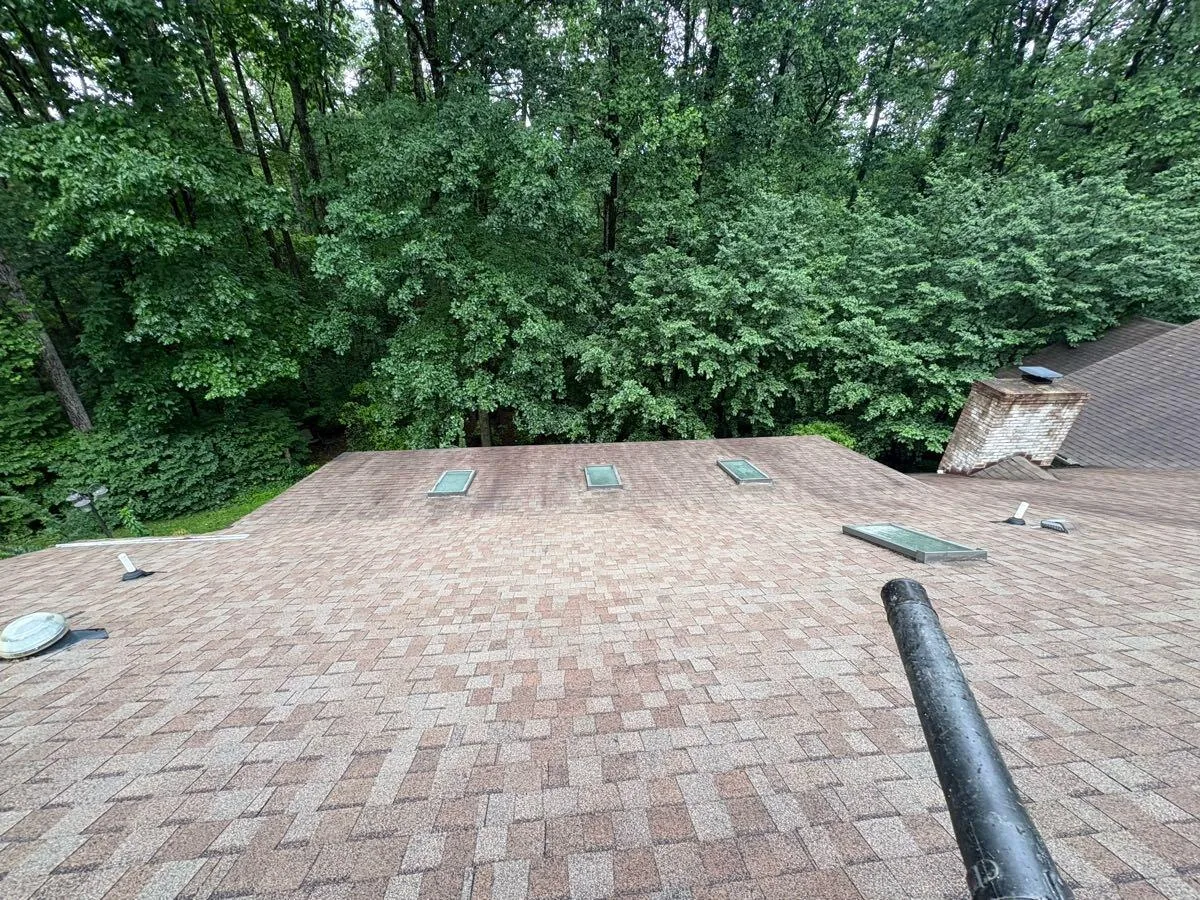
None of that is a reason to skip mowing. It is a reason to think about the whole property. A gutter that overflows dumps roof water right at the foundation and onto the lawn, which is the opposite of what you want. Clearing it in fall, before the heaviest rains, is one of the cheapest things you can do to protect the yard. Ask a crew to look at the downspout outlets while they are there and tell you honestly whether the water is being sent away from the house or straight into the lawn.
Rules and safe practice you should expect from a crew
North Carolina does not license lawn mowing the way it licenses general contracting, so the bar for hiring is lower — which means you have to do more of the vetting. Pesticide and fertilizer applications that go beyond simple mowing fall under state and federal rules; the EPA publishes the safe-handling standards applicators are expected to follow, and a crew that cannot tell you what they are putting down is a crew you should not hire. For larger landscaping projects that cross into grading or structure, the residential code framework applies, and the NC Office of State Fire Marshal maintains the code resources contractors work from.
Two more practical rules. First, have any contractor show proof of liability coverage before they set foot on your slope — one mower rolling into a retaining wall is a real cost. Second, agree in writing on what a visit includes: mow, trim, edge, blow and haul-away are not the same everywhere. A cheap visit that skips edging or leaves clippings in a pile is not actually cheaper.
Safety matters more than usual on mountain terrain. A mower on a steep grade can lose traction, tip, or slide, and a crew that has not thought about that is a liability on your property and a risk to itself. Ask how they handle slopes — do they mow across the grade, or up and down, or walk it with a push mower? The right answer depends on the slope, but the point is that they have an answer at all. A crew with a plan for the terrain is a crew that has done this work here before.
Finally, be clear about boundaries. Where does your property end and the neighbor's begin? On tight mountain lots that line is not always obvious, and a crew that trims past it creates a problem you did not ask for. Walk the line with them once and it is settled for the season.
How to keep the monthly number honest
Three habits keep pricing fair in this market:
- Price per visit, not per month. Visit counts change with the season; a per-visit rate keeps the invoice honest when the schedule shifts.
- Ask what is excluded. Leaf haul-away, bed weeding and gutter clearing are common add-ons. Knowing that up front prevents surprise line items.
- Compare against the county band. If a bid lands far outside the table above, make them explain why. Sometimes there is a real reason, like a steep grade or a half-acre lot, and how they explain it tells you plenty.
Be wary of any quote that promises a flat yearly rate regardless of growth. Buncombe springs can be explosive, and a company locked into a number it cannot honor will either cut corners or vanish. A plan that flexes with the season is the one that survives to fall. For the region-wide picture, the cost guide covers how other towns compare.
One more habit worth building: keep a rough note of how many visits you actually got in a month and what the grass looked like between them. If you are paying for biweekly service and the yard looks shaggy by day ten, the schedule is not matching the growth rate, and that is a conversation to have rather than a reason to switch companies. Growth in this county is not steady. It surges in spring, slows in the July heat, then surges again in the fall. A good provider adjusts the rhythm to the season. A provider who runs the same schedule all year is either overcharging you in the slow months or under-serving you in the fast ones.
Ask, before you sign, how the schedule changes between spring and late summer. The answer tells you whether you are hiring a calendar or a lawn care professional.