What Moises checks before he quotes a Rutherford County yard
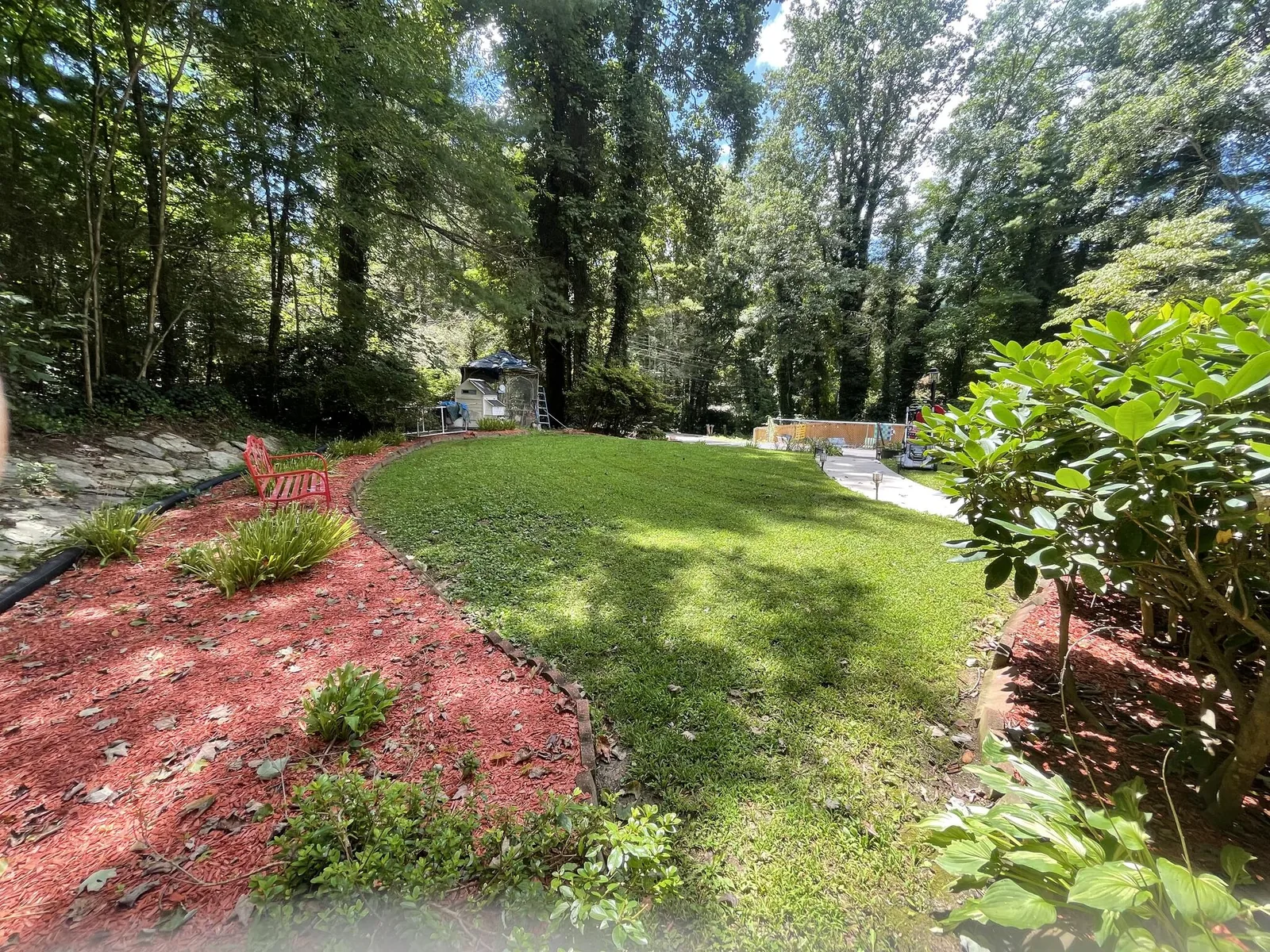
The first thing that separates a Rutherfordton lawn quote from a Forest City one isn't the grass, it's the walk. Moises pulls up, gets out, and walks the property before saying a number. Not a slow stroll either. He's checking three things in the first two minutes: how the lot drains after a July thunderstorm, how much fence or foundation the string trimmer has to chase, and whether the grass is fescue that goes dormant in August or Bermuda that needs a different cut height entirely.
That walk is what makes the price real. An average in-town lot with a clear perimeter and a couple of beds runs the low end. A half-acre outside Spindale with a chain-link run, a slope down to a creek, and a stand of pines dropping needles that choke the mower deck runs the top end. Same county, same grass, different number. The estimate sheet below reflects what he actually quotes, not a national average pulled from a lead-gen site.
| Scope of work | Typical Rutherford range | What drives it |
|---|---|---|
| Mow, trim, edge, blow — small in-town lot | $45 – $55 per visit | turf square footage, open perimeter, easy access |
| Same service — average residential lot | $55 – $65 per visit | trim time around beds, fence lines, outbuildings |
| Half-acre with slope or fence run | $65 – $75 per visit | cut time, string-trimming distance, terrain |
| Monthly plan (biweekly service) | $120 – $260 per month | visit count per month, seasonal growth flushes |
| First-visit cleanup or overgrowth | quoted per property | height of grass, debris, how many passes it takes |
Those are working ranges, not promises. A property that hasn't been cut since spring is a different job than one on a standing schedule, and Moises will tell you so on the walk instead of after the invoice.
Fescue, red clay, and the summer stall
Rutherford County sits in the transition zone, and that means most yards here are tall fescue, some are Bermuda, and a few are a mix that shifts depending on how much sun the back forty gets. Fescue is the tricky one. It looks great in May, struggles through the July heat, and comes back strong in September. If a homeowner stops service in August because the grass looks brown, they're canceling the mow right before the growth flush that actually matters.
The other local factor is red clay. Rutherford dirt holds water, then bakes hard. On sloped lots, rain that doesn't soak in runs downhill and pools at the low corner, which is where the grass gets thin and the mower gets stuck. Moises flags those spots on the walk because they change how often the property needs service and whether a yard needs a second pass in wet weeks. A property that drains well can hold a biweekly schedule through a wet spring. One that doesn't may need weekly for a stretch, and that pushes the monthly number toward the top of the band.
Slope also matters for safety. Mowing a steep bank on wet clay is how equipment slides and people get hurt, and the EPA has published guidance on safe fuel handling and small-engine operation that any crew working a slope should already know. If a quote comes in far under the range for a steep lot, ask what changes when the ground is wet.
What separates a plan from a one-time cut
The monthly plans in the table assume biweekly service, which is the rhythm most Rutherford lawns settle into from April through October. That works out to roughly two visits a month in the shoulder seasons and sometimes three when fescue is pushing hard in May or September. It's not a flat fee for unlimited cutting; it's a schedule that adjusts with the growing season, and the monthly range reflects that adjustment.
When a homeowner asks about a one-time cut, the honest answer is that it costs more per visit than the plan rate, because the mower is coming out for a single property instead of being on a route. Standing customers get the route pricing. One-time cuts are priced as the standalone job they are.
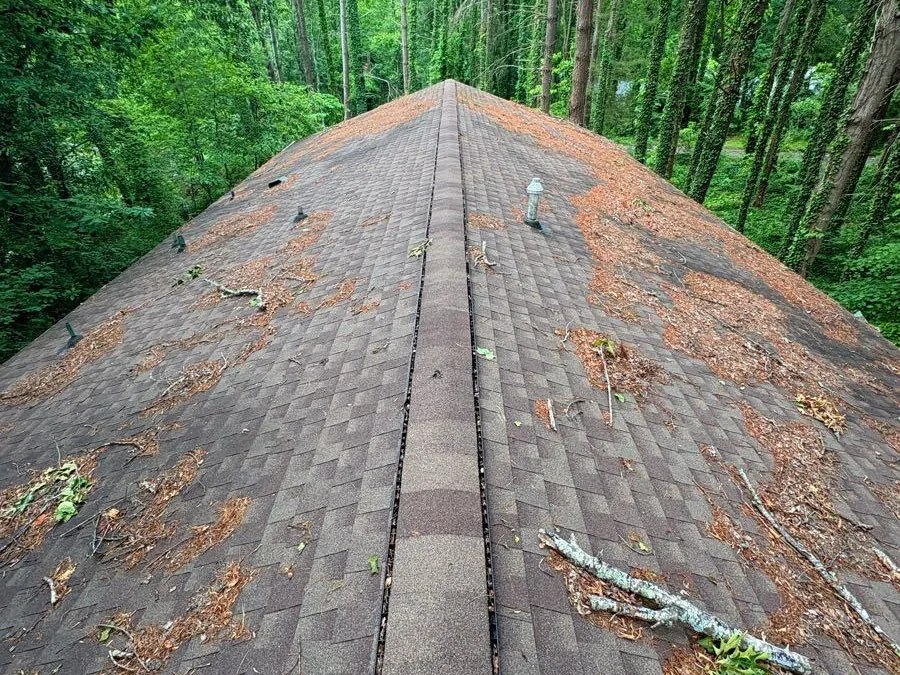
Moises also recommends a spring and fall cleanup on most properties here, separate from the regular mow plan. Leaves drop hard in November, pine straw piles up under the trees in Spindale and Rutherfordton, and gutters fill with the same debris. Gutter cleaning is a different service, and the gutter cleaning page explains how it's handled. A yard that gets mowed but never cleared of leaves or roof runoff is only half-maintained, and the grass shows it by the following spring.
The contractor question, and why it matters here
North Carolina doesn't license lawn mowing the way it licenses general contracting. The NC Licensing Board for General Contractors threshold applies to construction work over a set dollar amount, not to routine property maintenance, so most lawn crews operate outside that system by design. What that means for a homeowner is simple: there's no license number to look up for a mower, so the reference check has to happen a different way. Ask for local addresses. Ask how long they've worked the same route. Ask what happens if it rains on the scheduled day.
The other legitimate authority layer is chemical application. If a crew is spreading fertilizer or weed control on your yard, the products and their handling fall under federal EPA regulation, and the applicator should be able to tell you what's going down and why. Moises keeps the mow plan separate from any chemical recommendation so the two don't get bundled into one confusing number.
Equipment safety is the part nobody asks about until something goes wrong. Mowers throw debris, string trimmers cut more than grass, and a blade that hits a rock near a window is a bad afternoon. The International Code Council maintains property maintenance provisions that many local ordinances reference, and a crew that knows the difference between routine mowing and a code issue is a crew worth keeping.
How the monthly number actually lands
The $120 to $260 monthly band isn't arbitrary. It's the per-visit rate times the number of visits the property actually needs, adjusted for how hard the yard is to cut. A small in-town lot at two visits a month sits near the bottom. A half-acre with a slope, a fence run, and three visits a month in peak season sits near the top. Most Rutherford properties land somewhere in the middle, and the only way to know which end is to have someone walk it.
When comparing quotes, ask every bidder the same two questions: how many visits does this price assume per month, and what changes the price if the grass grows faster than expected. A quote that doesn't answer both is a quote for a different job than the one you have. For the broader regional picture, the full lawn care cost guide covers how pricing shifts across the area, and the lawn care service page lays out what's included in a standard plan.