What Moises walks before a Mills River mulch quote
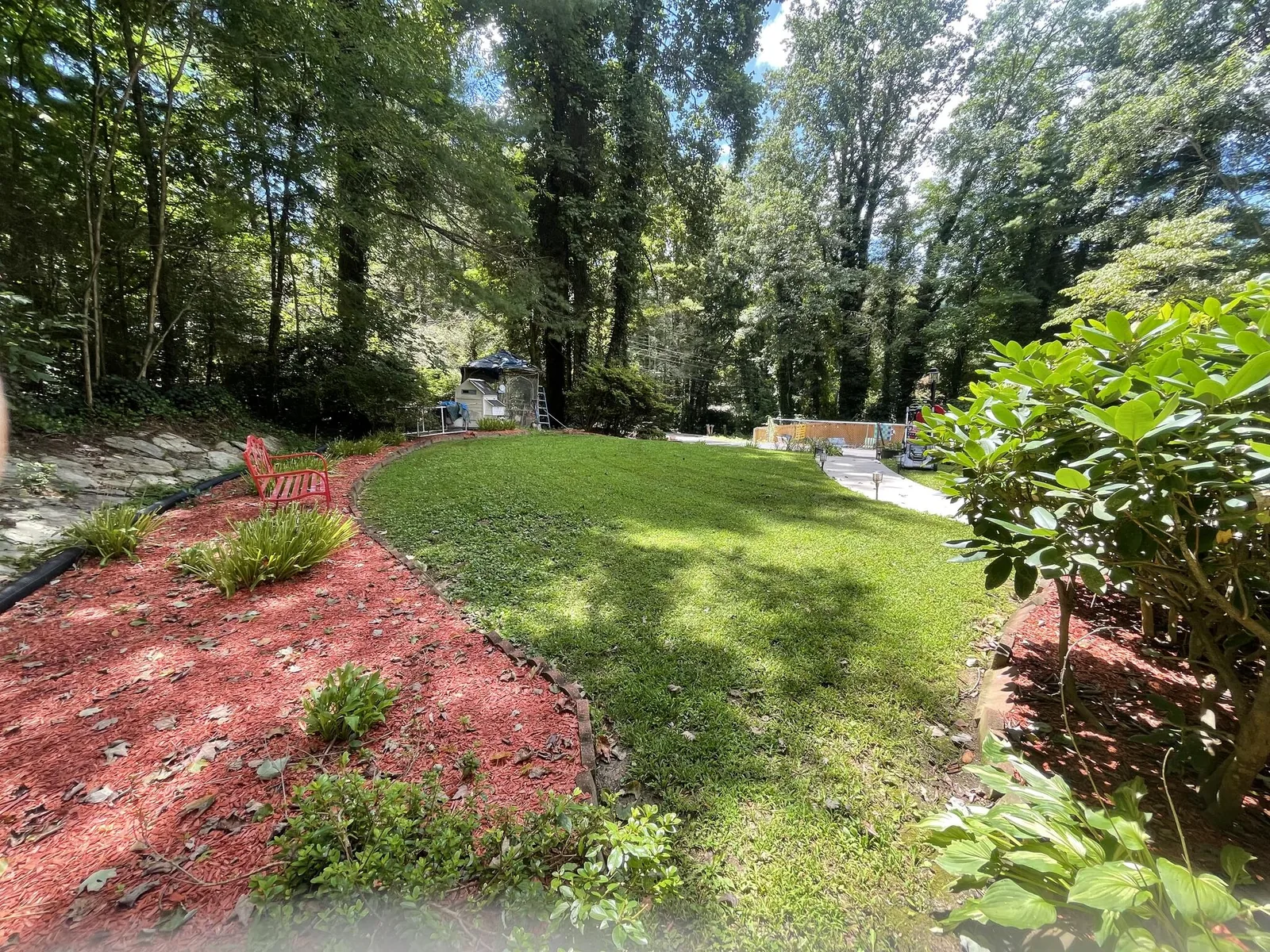
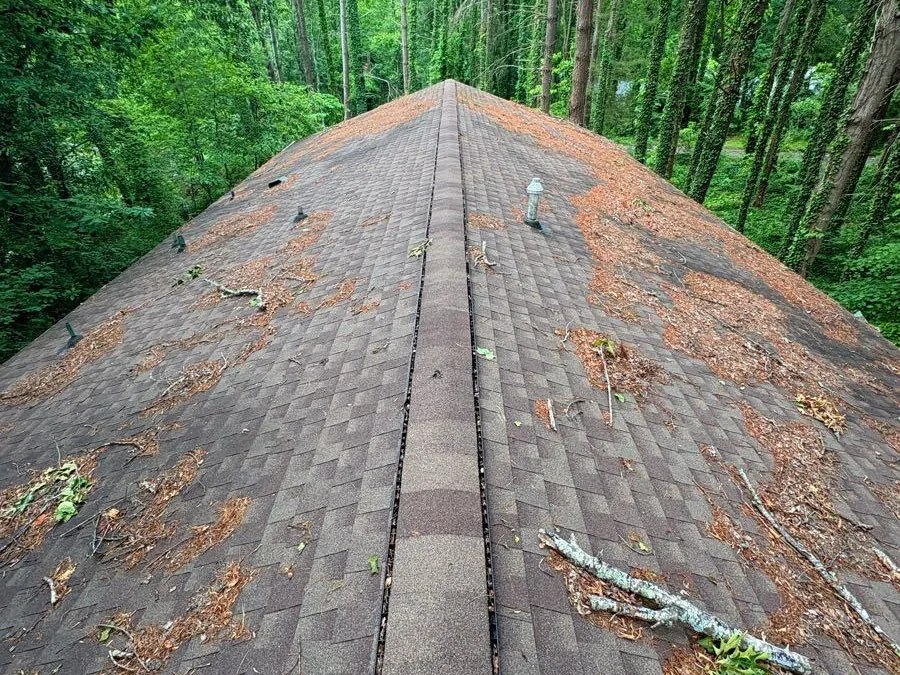
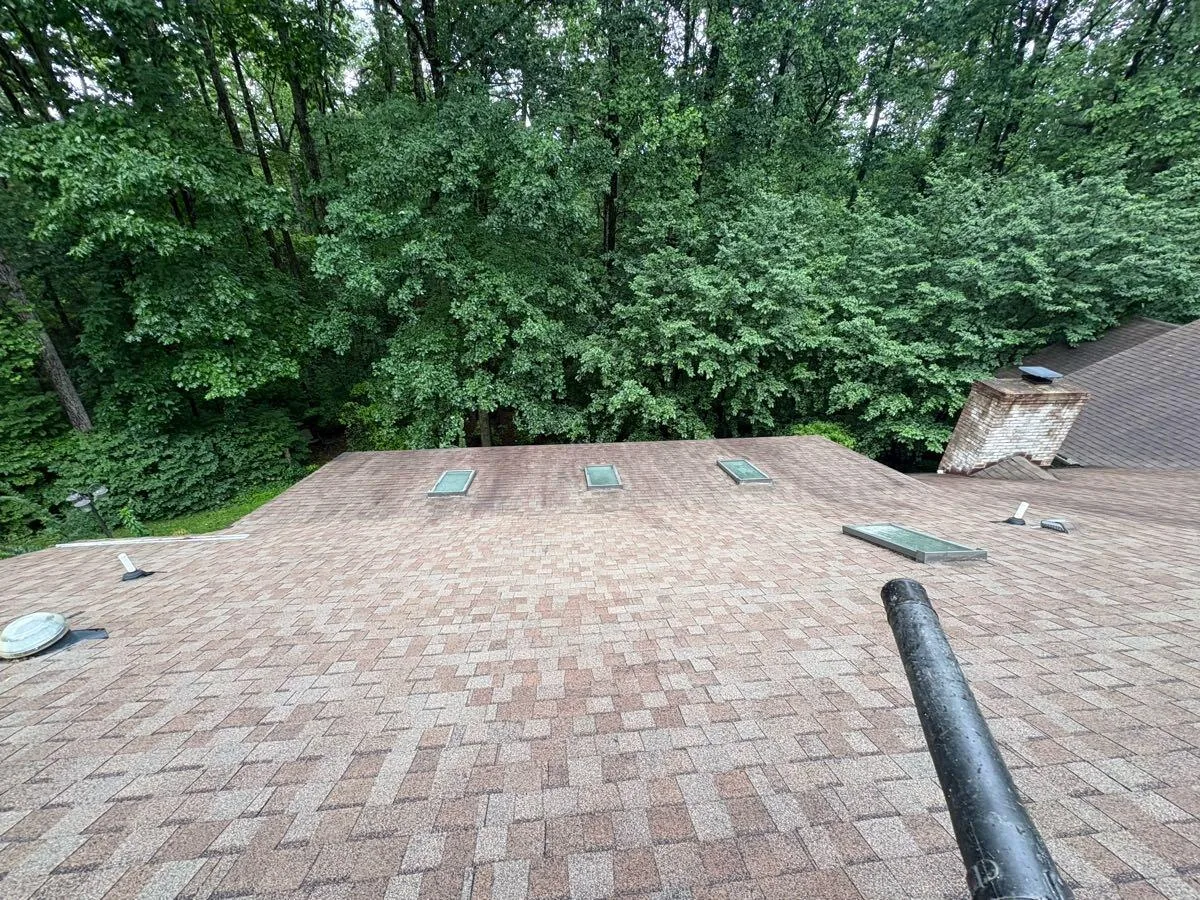
Before a single number leaves his truck, Moises walks the property the way water does. In Mills River that means reading the lot: the gentle field lots off Banner Farm Road, the wooded cut-ins where homeowners are fighting leaf litter and pine straw instead of turf, the hillside beds toward the North Mills River valley where a heavy rain moves mulch downhill unless somebody checks the bed slope first. He looks at where the downspouts dump, whether the gutters have been cleaned this season, and how much of last year's mulch is still matted there. That walk decides the quote more than the square footage does.
The second thing he checks is access. Mills River properties often spread beds across wide frontages and side yards, and a cubic yard of mulch is a yard no matter how politely it arrives. If the beds sit 80 feet from the driveway, the labor line tells the truth, and a quote that ignores it is a quote that will grow later.
That same walk-through is what the mulch installation service is built around, and Mills River is one of the towns where it pays most.
The scope table: what each job type actually costs
Pricing here follows scope, not a flat per-yard number pasted onto every property. The table below is what our quotes have to fit inside, from small refresh work to full bed rebuilds.
| Scope | Typical installed range |
|---|---|
| Small bed refresh, 2–3 cubic yards, existing edge intact | $200–$400 |
| Standard refresh, most homes | $450–$1,200 |
| Large bed system, 8–10 cubic yards, spread around trees and shrubs | $700–$1,300 |
| Full bed rebuild (strip old mulch, re-edge, weed barrier, install) | Quoted after walk-through, typically at the top of the yard price per yard |
| Playground or dog-run chip install, certified-adjacent wood chip | Priced at the installed yard rate, quoted by area |
Nothing in that table moves past $1,300 a job without a rebuild, and the yard rate never leaves the $85–$130 band. Any quote that does is either using a different material or doing different work.
Why water and gutters come before mulch in this county
Henderson County's storm record is not abstract. 16 federally declared events have touched this county across 1978-2026, and the pattern is the one every mountain landscaper knows: long wet stretches, then a hard push of rain. A fresh layer of mulch with a clogged gutter above it becomes a mulch dam, and the bed, the mulch, and the siding all take the wash. That is why the walk-through always starts at the roofline. The gutter cleaning cost page covers what that piece looks like, and the National Weather Service at weather.gov is where we check the week's rain before scheduling an install.
The Environmental Protection Agency at epa.gov is also where we point homeowners asking about dyed mulch and runoff. A mulch bed is a small piece of stormwater management whether the homeowner meant it that way or not. Mulch holds moisture, and loose mulch on a steep bed leaves with the first big rain unless the bed is edged and sloped correctly. In Mills River, the beds facing south off the hillsides are the ones that lose their mulch fastest, and those get checked every spring.
Choosing the material: hardwood, bark, or chips
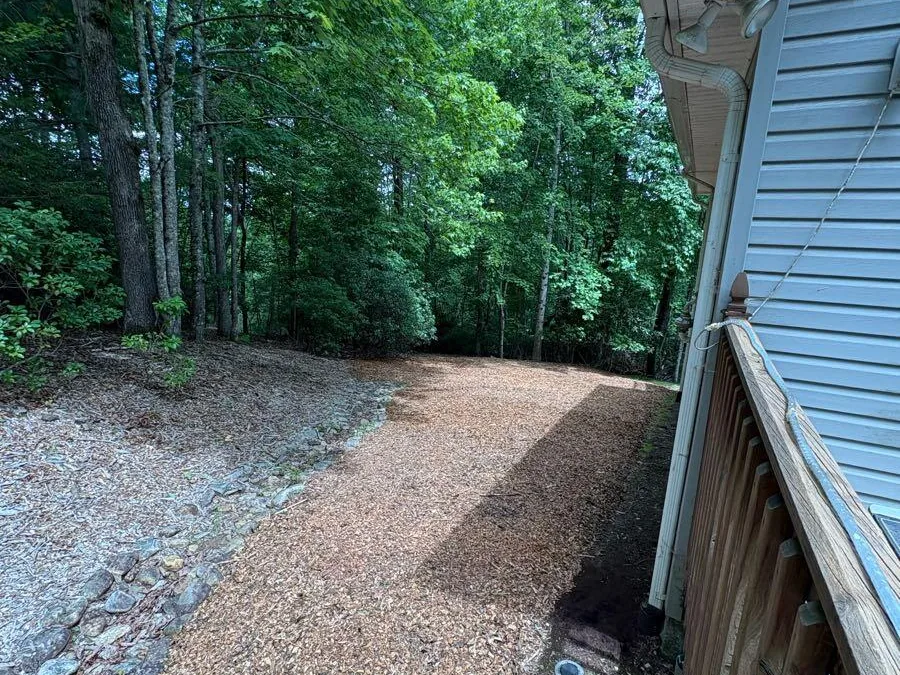
Mills River properties tend to split into two mulch personalities. The lawn-heavy lots near the schools and the commercial corridor take a fine hardwood or double-shredded bark that looks tidy from the road and stays put on slight slopes. The wooded parcels and the acreage lots, especially the ones that sit under pines and oaks, do better with a coarser wood chip that holds its structure and costs less per yard without looking ragged.
Both materials install the same way, and both are priced in the same band. What changes is the look and the longevity, and Moises will tell a homeowner which one their lot is actually asking for. Fresh mulch laid too thick over wet soil smothers roots, especially on the dense clay pockets common across the county, so two to three inches is the working number. For play areas and pet runs, the material choice also touches safety, and the EPA and product-label guidance we follow both favor untreated, splinter-free wood over any scrap material of unknown origin.
Homeowners who want the whole property handled can see how mulch fits with mowing and bed care on the Mills River landscaping page.
Scheduling around the seasons and the rain
Spring is when most Mills River mulch work gets booked, and it is worth knowing that the calendar fills fast in March and April. Fall installs are quieter and just as effective, especially on hillside beds that need a fresh layer going into winter. Mid-summer installs happen but come with more watering, because fresh mulch over dry soil is not a substitute for irrigation.
After a declared storm event, the crew walks properties in the order they were booked, and mulch jobs sometimes get moved for drainage repairs that cannot wait. That is honest scheduling, not a slight. If a quote is on the calendar and rain is forecast, the install moves, because spreading mulch into standing water wastes the material and the money. The installation service page spells out the process, and the walk-through answers the rest.